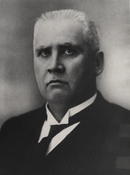
Antonio Starabba di Rudinì 1839 – 1908
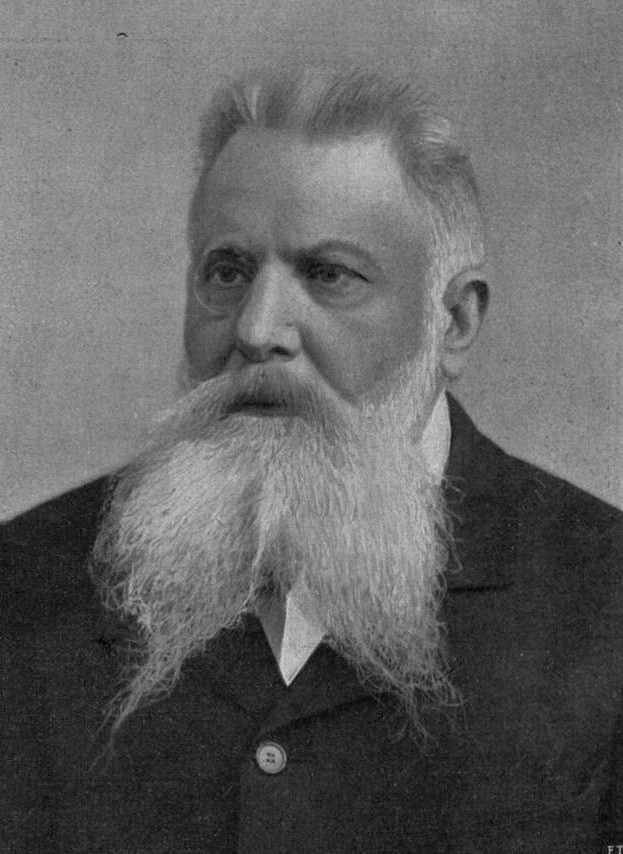
Biography
Born into Sicilian nobility during Italy’s most turbulent era, Antonio Starabba di Rudinì rose through the ranks of a nation still finding its footing. His ascent culminated in the highest echelon of Italian governance—Prime Minister—a position that placed him squarely at the helm during one of Europe’s most consequential periods of state-building and modernization.
Di Rudinì’s nearly seven decades spanned the entire nineteenth century, witnessing Italy’s transformation from fragmented kingdoms into a unified European power. His tenure as Prime Minister tested his political acumen against the pressures that defined the era: managing competing regional interests, consolidating national identity, and steering the young state through economic and social turbulence. He embodied the pragmatism demanded of Italy’s leadership during this formative chapter.
His final years were spent in Rome, the symbolic heart of the nation he served. Di Rudinì died on August 7, 1908, and was honored with interment at Campo Verano, Rome’s most prestigious cemetery—a fitting resting place for a statesman who helped architect modern Italy.
Cemetery Map
View larger map →Satellite overview of the cemetery grounds.