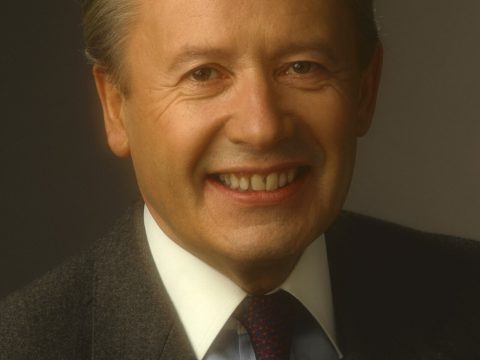
Augusto Leguía 1863 – 1932
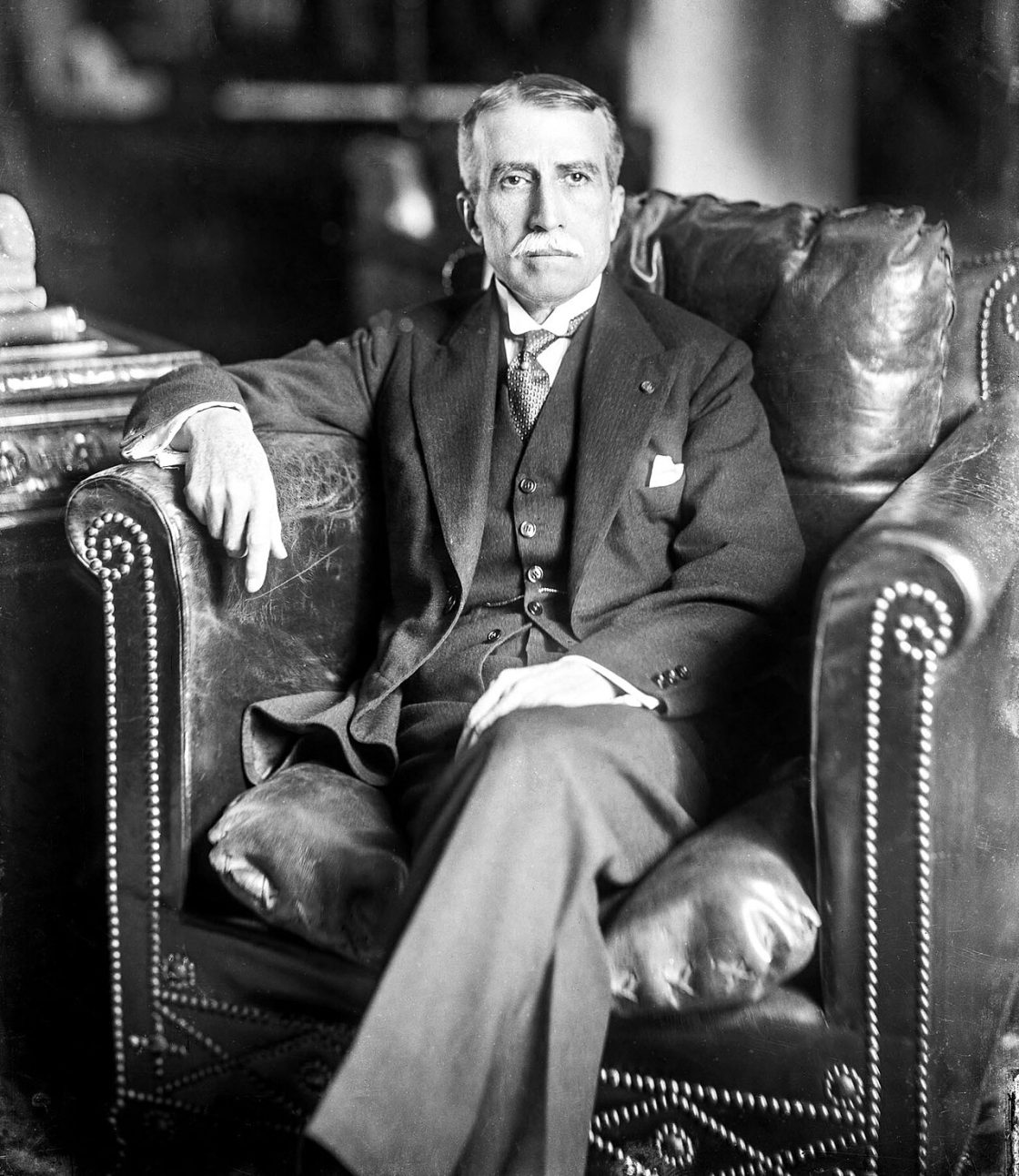
Biography
Augusto Leguía dominated Peru’s political landscape as the nation’s most influential leader of the early twentieth century. Born in Lambayeque in 1863, he rose to become President during a watershed moment in Peruvian history, wielding power to reshape his country’s trajectory through modernization and development initiatives that left an indelible mark on the nation.
Leguía’s presidency reflected the turbulent complexities of his era—a time when Peru grappled with political upheaval and the urgent demands of progress. His governance navigated the treacherous waters of South American transformation, leaving behind a legacy marked by both accomplishments and controversies that continue to define discussions of Peru’s pivotal twentieth-century history.
The statesman passed away in Lima on February 7, 1932, at sixty-eight, his remains interred at Presbítero Matias Maestro. Leguía’s impact endures as a cornerstone of Peru’s historical record—a complex figure whose tenure illuminated the nation’s struggle between tradition and modernization during one of its most formative periods.
Cemetery Map
View larger map →Satellite overview of the cemetery grounds.