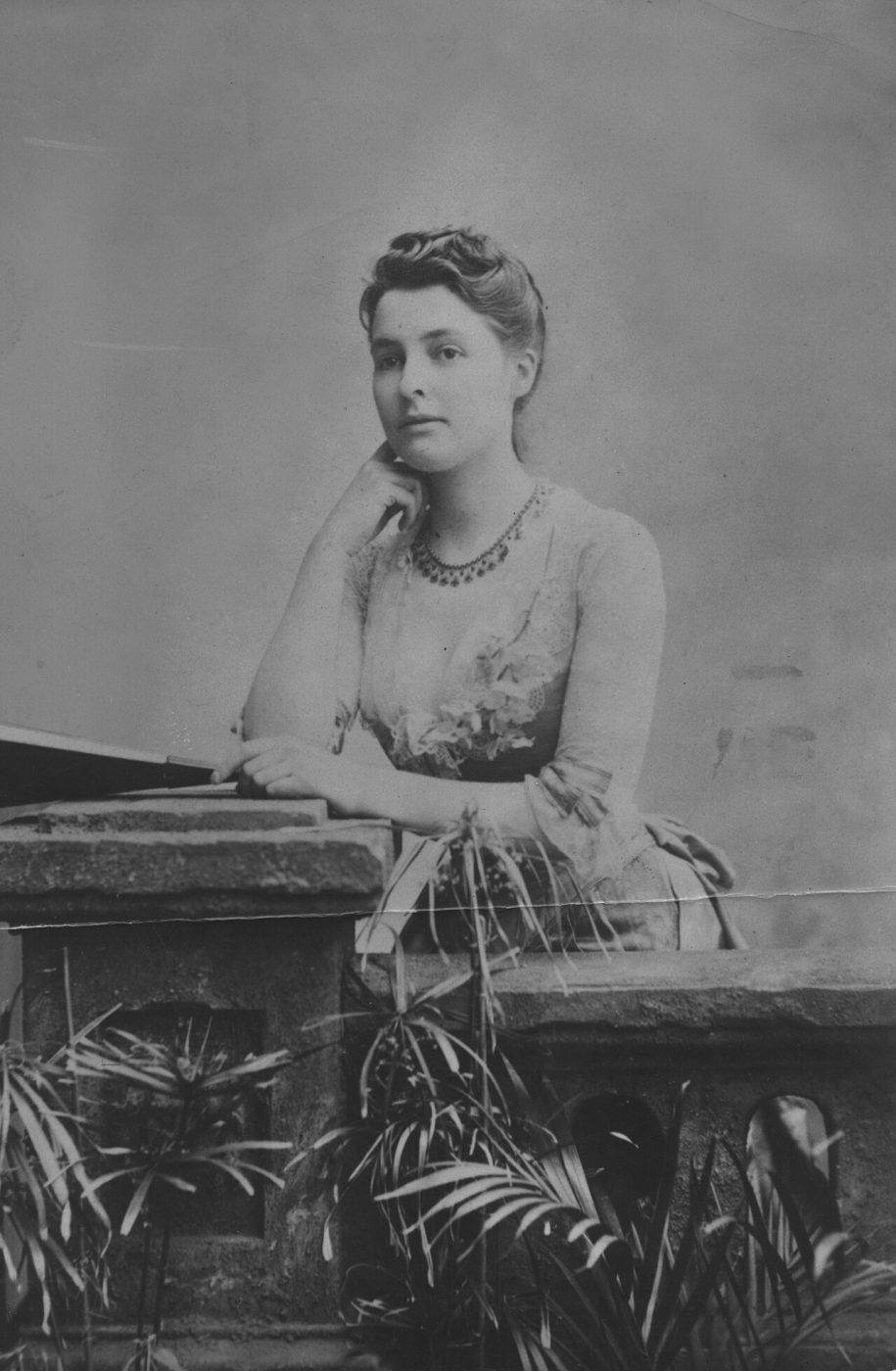
Beatrice Webb 1858 – 1943
Biography
Beatrice Webb didn’t just study poverty—she transformed how society understood it. Born into Victorian privilege in 1858, she became one of Britain’s most formidable social scientists, wielding rigorous research like a weapon against inequality. Her relentless investigations into working conditions and economic structures weren’t academic exercises; they were blueprints for change, grounded in cold, hard data that politicians couldn’t ignore.
Webb’s real power came from her refusal to choose between idealism and intellect. She and her husband became an unstoppable research team, producing influential works that didn’t just describe injustice—they demanded solutions. Her contributions to social economics and reform established new standards for how activism could be conducted: methodically, fearlessly, and with moral clarity. She proved that a sharp mind married to socialist conviction could reshape policy.
When Webb died in 1943 at eighty-five, her burial in Westminster Abbey spoke volumes. The honor reserved for Britain’s greatest figures went to a woman who’d spent her life in archives and factories, not parliaments, quietly revolutionizing how the powerful understood those they governed. Her legacy wasn’t a single law or speech—it was an entirely new framework for social justice rooted in truth.
Cemetery Map
View larger map →Satellite overview of the cemetery grounds.