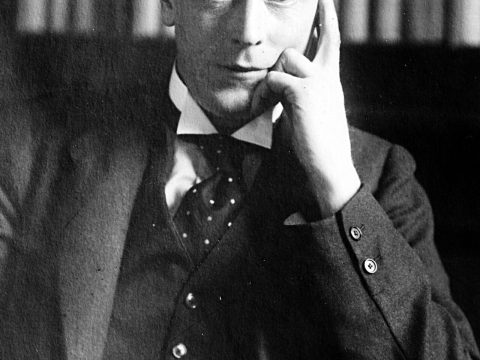
Béla Kun 1886 – 1938
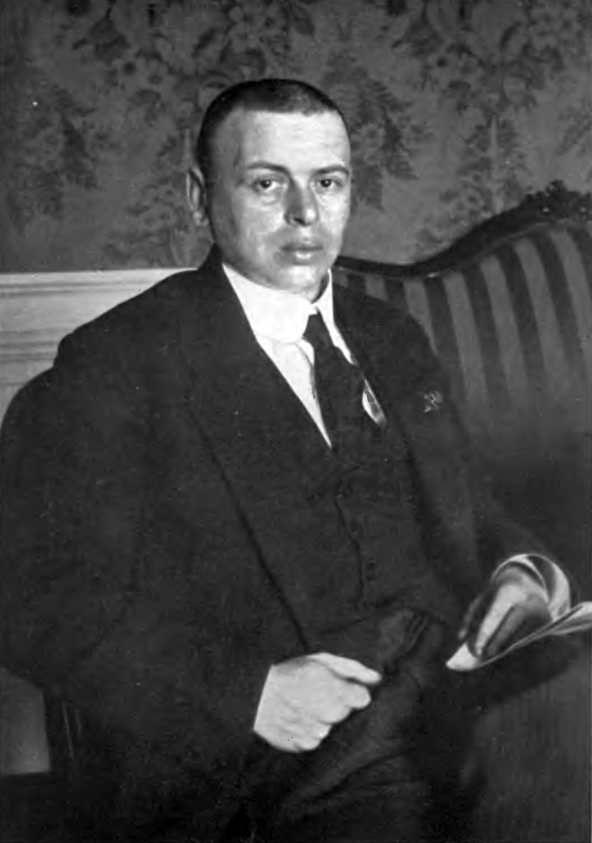
Biography
Born in Transylvania in 1886, Béla Kun became a revolutionary firebrand who briefly led one of Europe’s first Communist governments outside the Soviet Union. In 1919, at a fever pitch of post-World War I upheaval, Kun seized power in Hungary and established the Hungarian Soviet Republic, serving as People’s Commissar of Foreign Affairs. Though his regime lasted mere months, Kun’s audacious experiment electrified Communist movements across the continent and terrified anti-Bolshevik Europe—proving that revolution could spread beyond Moscow’s borders.
Kun’s legacy proved volatile. His early radicalism made him both a hero to leftists and a haunting symbol of the chaos that threatened the old order. Yet history would deliver a grimmer final act: after fleeing Hungary, Kun found refuge in the Soviet Union, only to become a victim of Stalin’s paranoid Great Purge. On August 29, 1938, he was executed in Moscow, his body discarded at the Kommunarka shooting ground—the mass grave of thousands purged by the regime he’d once championed. Kun’s tragic arc embodied the twentieth century’s revolutionary fury and its catastrophic price.
Cemetery Map
View larger map →Satellite overview of the cemetery grounds.