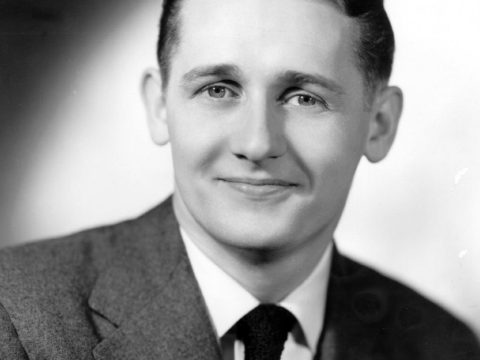
Benedict Anderson 1936 – 2015
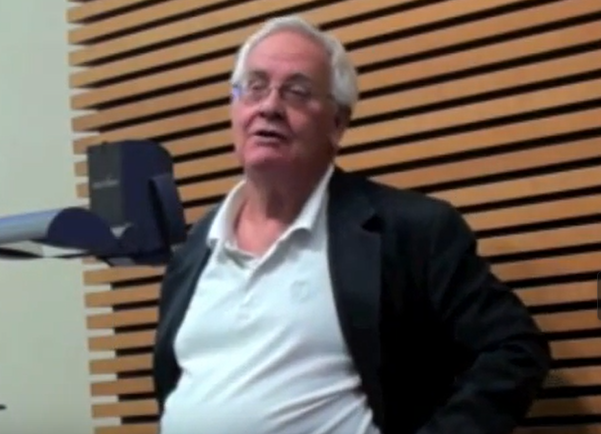
Biography
Benedict Anderson revolutionized how we understand nations themselves. The American political scientist became a towering intellectual force by asking deceptively simple questions: What makes people feel connected to an abstract idea like a country? His rigorous scholarship cut through conventional wisdom, offering fresh frameworks that scholars across disciplines still grapple with today. Anderson’s work transcended academia—it shaped how policymakers, historians, and cultural theorists make sense of modern political identity.
Born in Kunming in 1936, Anderson brought genuine intellectual curiosity to questions about power, belonging, and social organization that others took for granted. He spent decades illuminating the complex forces binding nations and peoples together, earning deep respect from colleagues and students who valued his ability to make intricate ideas crystal clear. His contributions rippled far beyond university walls, influencing generations of thinkers wrestling with nationalism, identity, and political change.
Anderson passed away in December 2015 at 79, following complications from type 2 diabetes. Though his formal scholarship ended, his legacy endures through the scholars and students who continue building on the intellectual foundations he established—proof that transformative ideas outlive their creators.