
Bernard de Ventadour 1140 – 1190
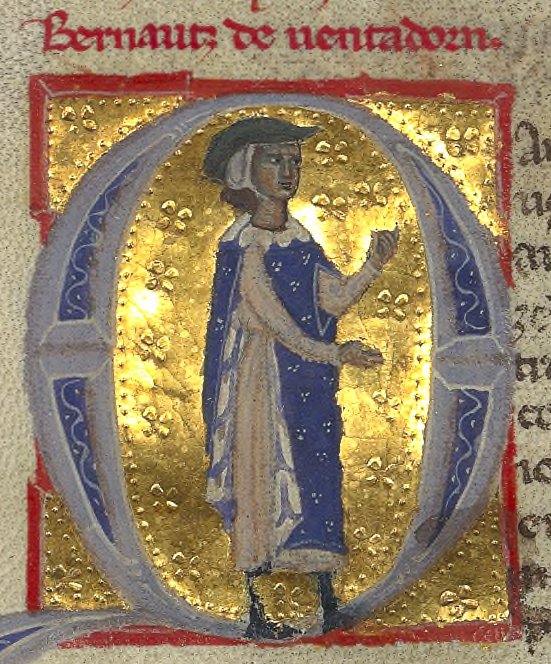
Biography
Bernard de Ventadour didn’t just write love songs—he basically invented the romantic template that would seduce Europe for centuries. Rising from humble origins in southern France, this 12th-century troubadour became the era’s most celebrated poet-musician, crafting intricate verses that transformed courtly passion into an art form. His lyric poetry didn’t merely entertain nobility; it rewired how an entire continent understood desire, devotion, and emotional expression.
Working across Occitania’s glittering court circuit, Bernard mastered the delicate alchemy of refined emotion and technical virtuosity that defined troubadour culture. His compositions—blending poetry with musical accompaniment—weren’t background music for aristocrats; they were the cutting edge of medieval culture, influencing generations of artists and establishing conventions of romantic expression that rippled through European literature. When troubadours talked about courtly love, they were essentially speaking his language.
Bernard’s fifty-year life, spanning mid-12th century, marked the golden age of a movement that would echo through Renaissance, Romanticism, and beyond. His legacy transcends dusty history: he fundamentally shaped how Western culture articulates intimacy, longing, and artistic ambition—a template so influential it became invisible.


