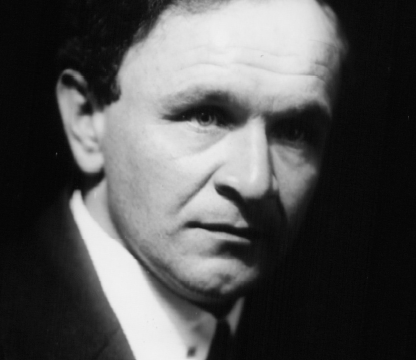
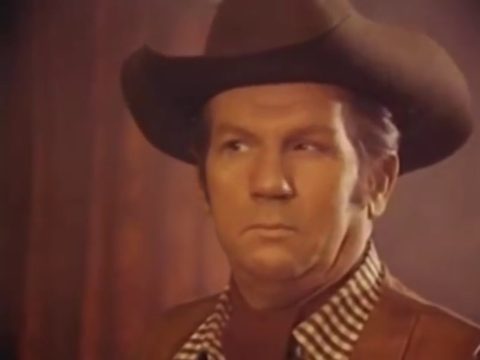
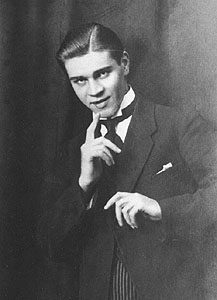
Bohuslav Martinů 1890 – 1959
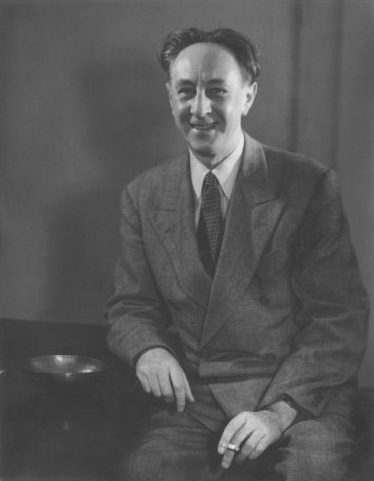
Biography
Born in the small Czech town of Polička in 1890, Bohuslav Martinů emerged as one of the twentieth century’s most prolific and inventive composers. From modest Central European roots, he crafted a musical voice that bridged tradition and modernism, creating works that captivated orchestras and audiences across continents. His relentless dedication to composition meant an astonishingly vast output that reflected the turbulent artistic currents of his era.
Martinů’s genius lay in his ability to absorb diverse influences—folk idioms, contemporary techniques, and classical structures—and synthesize them into something entirely his own. Whether writing for orchestra, chamber ensemble, or stage, he demonstrated a restless creative energy that refused easy categorization. His music became a crucial part of the twentieth-century repertoire, performed by leading musicians worldwide and studied by composers seeking to understand how tradition could speak to modern sensibilities.
The Czech master died in Basel, Switzerland, in 1959 at sixty-eight, his artistic mission complete. Though far from his homeland at the end, he was ultimately returned to his native Czech lands for burial. His prolific legacy—a towering catalog of compositions—continues to resonate, cementing Martinů’s place among the century’s most influential musical architects.
Cemetery Map
View larger map →Satellite overview of the cemetery grounds.