Boutros Boutros-Ghali 1922 – 2016
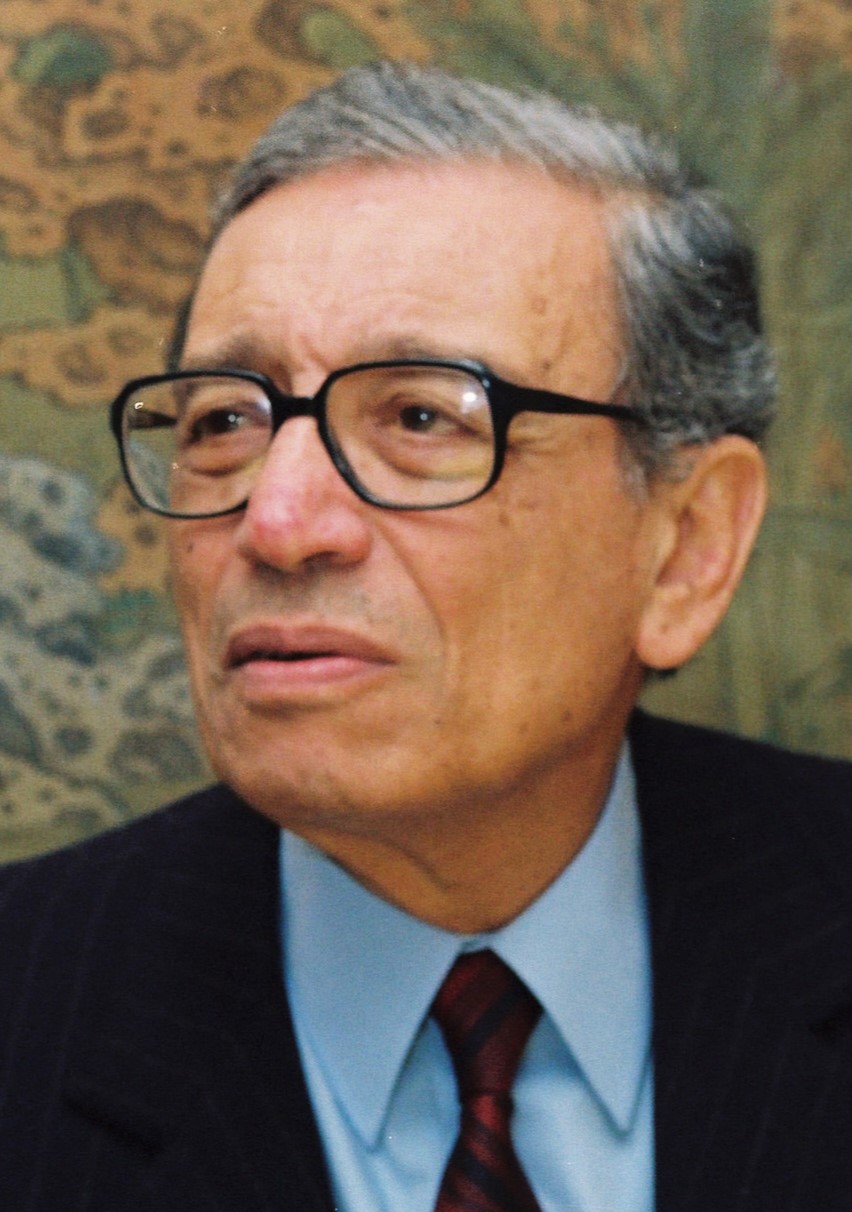
Biography
Born into Cairo’s diplomatic elite in 1922, Boutros Boutros-Ghali ascended to become one of the twentieth century’s most influential international statesmen. His appointment as UN Secretary-General from 1992 to 1996 thrust him into the world’s hottest conflicts at precisely the moment the Cold War’s end reshuffled global power dynamics. He tackled the Balkans, Rwanda, Somalia—crises that tested the limits of multilateral diplomacy and the United Nations’ ability to prevent catastrophe.
Boutros-Ghali embodied the cerebral diplomat: thoughtful, principled, and unflinching when confronting the organization’s structural weaknesses. His tenure sparked fierce debate over the UN’s role in an unpredictable new world order, cementing his reputation as a figure who never shied from difficult truths. Whether championed or contested, his leadership defined how the international community grappled with post-Cold War chaos.
The Egyptian statesman’s decades-long career established him as a towering presence in global governance. When he passed away in February 2016, the diplomatic world lost a guardian of multilateralism who had staked his legacy on the belief that nations could resolve conflict through dialogue, negotiation, and institutional commitment.