Bruno Walter 1876 – 1962
Biography
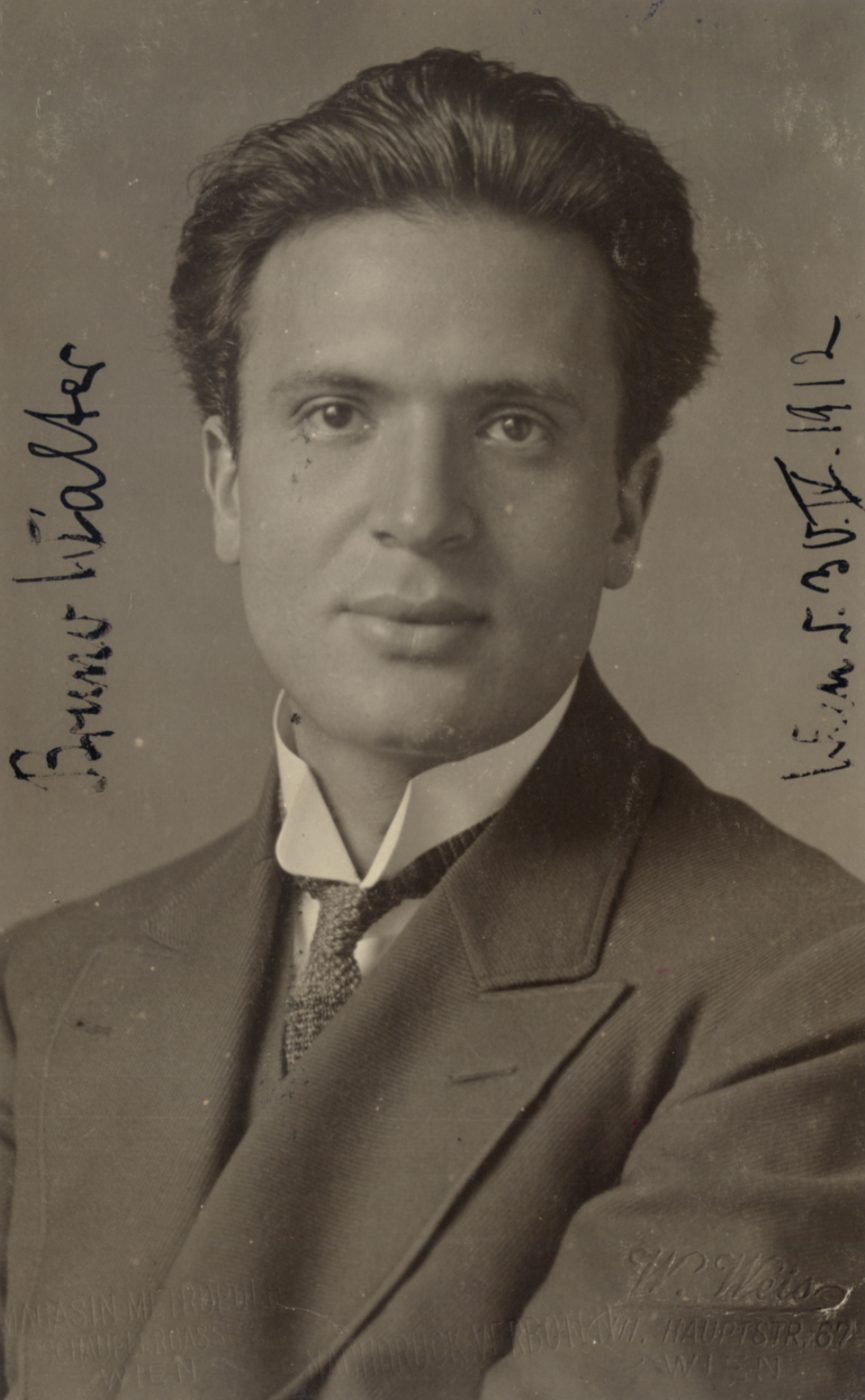
A maestro who commanded orchestras across continents, Bruno Walter became one of the 20th century’s most influential conductors through sheer interpretive brilliance. Born in Berlin in 1876, Walter didn’t just wave a baton—he sculpted sound with surgical precision, earning a reputation for transforming complex musical visions into transcendent performances. His career trajectory carried him from Europe’s grandest concert halls to America’s most prestigious stages, cementing his status as a musical architect of his era.
What set Walter apart was his triple threat: conductor, pianist, and composer rolled into one restless genius. He didn’t simply interpret the classics—he redefined them, bringing fresh insight to canonical works while commanding respect from musicians who understood they were in the presence of greatness. His influence rippled across generations, shaping how orchestras approached repertoire and how conductors thought about their craft.
After decades of European dominance, Walter landed in Beverly Hills during his final years, continuing to work until his death in 1962. He left behind a legacy woven through decades of unforgettable performances, and was ultimately laid to rest in Switzerland, a final resting place reflecting his lifelong devotion to European artistic tradition.
Cemetery Map
View larger map →Satellite overview of the cemetery grounds.