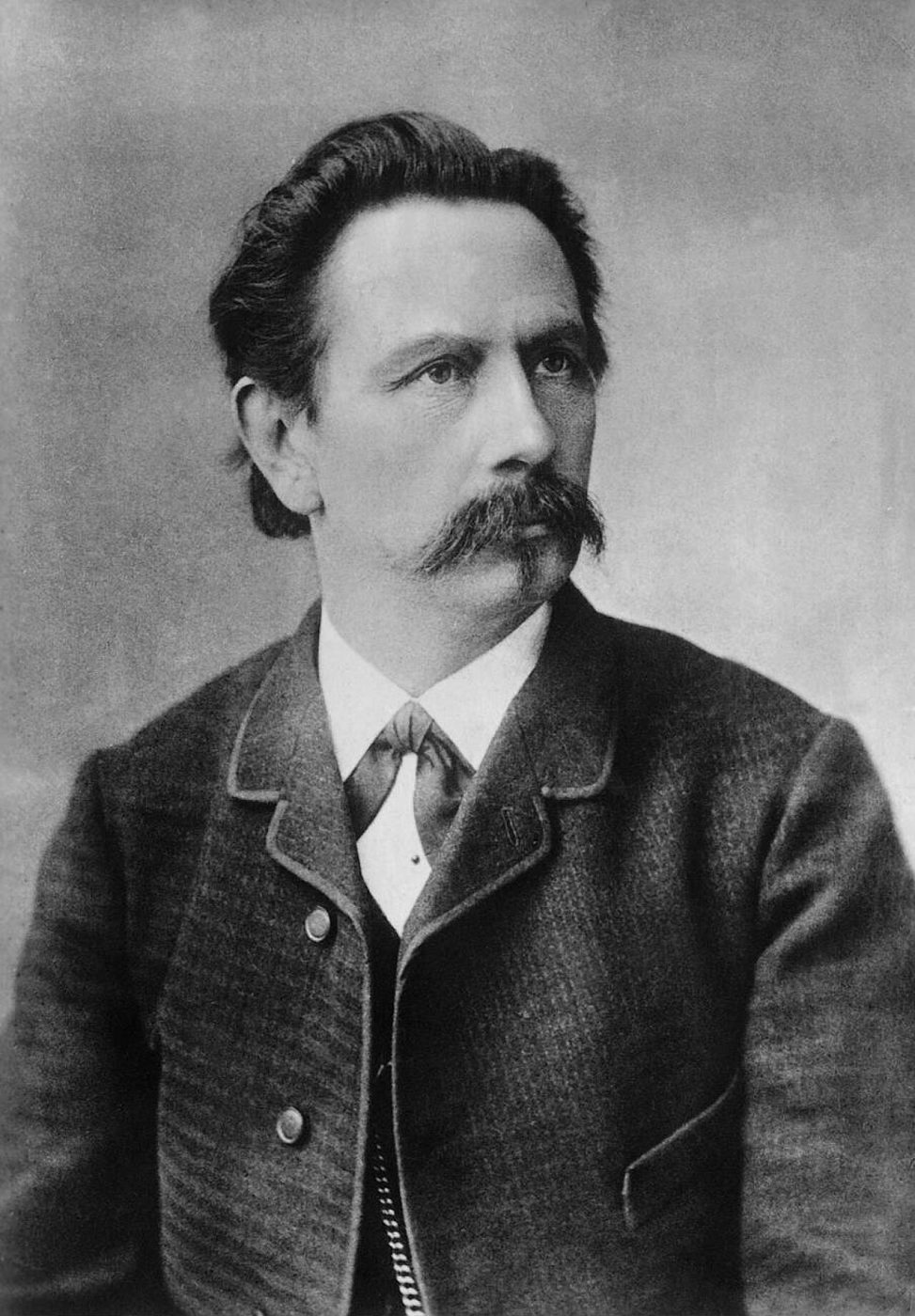
Carl Benz 1844 – 1929
Biography
Carl Benz didn’t just tinker with engines—he invented the future. The German engineer’s gasoline-powered automobile, patented in 1885, didn’t merely add horsepower to human ambition; it fundamentally rewired civilization itself. While others dabbled in motorized dreams, Benz engineered the world’s first practical automobile, transforming a mechanical fantasy into everyday reality. His vision bridged the gap between industrial craftsmanship and modern transportation, setting the blueprint for an entire industry that would reshape how humanity moved.
Benz’s genius lay in combining technical brilliance with entrepreneurial audacity. He didn’t just design cars—he built an empire around them, establishing manufacturing practices that other innovators would study and emulate for generations. His work rippled across continents, influencing countless engineers and industrialists who would expand upon his revolutionary foundation.
On April 4, 1929, the eighty-four-year-old pioneer died in Ladenburg, the German town he’d called home in his later years. Though he passed from hereditary illness, his legacy remained unstoppable—a man who had literally put the world in motion, permanently altering the trajectory of modern civilization.
Cemetery Map
View larger map →Satellite overview of the cemetery grounds.