Carl Friedrich Goerdeler 1884 – 1945
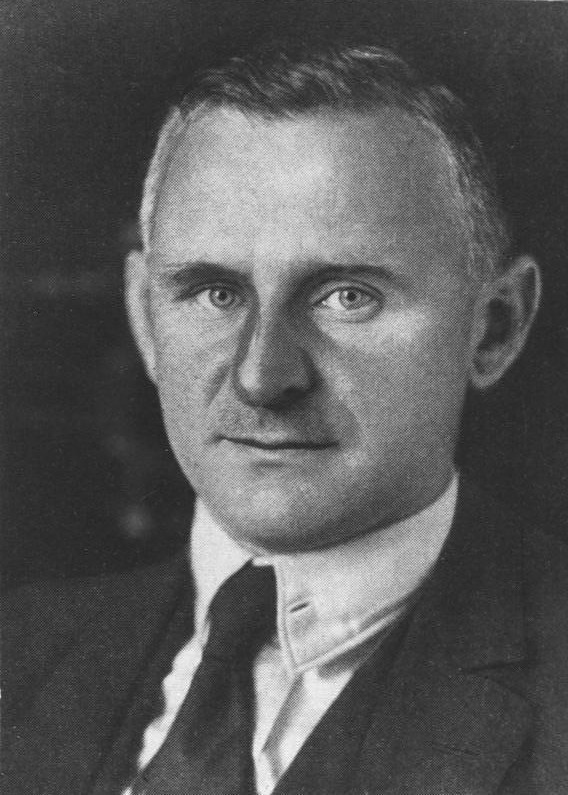
Biography
Carl Friedrich Goerdeler became an unlikely hero in one of history’s darkest hours—a German politician who dared to resist Hitler when resistance meant death. Born in 1884, Goerdeler built a reputation as a principled public servant, but his true legacy emerged when he joined the 20 July plot, a clandestine network of military officers, politicians, and intellectuals plotting to topple the Nazi regime. This wasn’t armchair dissent; it was a calculated gamble with his life.
What set Goerdeler apart wasn’t just his opposition—plenty whispered doubts in private. It was his active participation in a genuine assassination conspiracy, risking everything for the restoration of democratic governance and justice. His involvement in the plot showed moral conviction that transcended self-preservation, a rarity in occupied Europe.
On February 2, 1945, as Nazi Germany crumbled around him, Goerdeler was executed by hanging at Plötzensee Prison. He went to his death unwavering in his principles. Today, Goerdeler stands as a symbol of German resistance—proof that even amid totalitarian darkness, individual conscience could burn bright enough to challenge an empire.