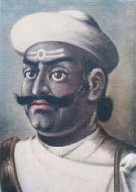
Carl Swartz 1858 – 1926
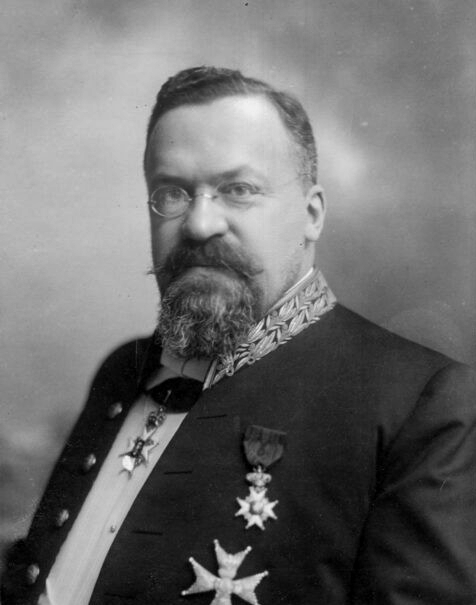
Biography
Born into Sweden’s industrial heartland in 1858, Carl Swartz rose to become one of early twentieth-century Sweden’s most influential political figures. His ascent to the nation’s highest office coincided with a period of sweeping modernization, placing him at the helm during transformative years that would reshape Swedish society. Swartz’s tenure as prime minister proved pivotal—he steered the country through critical reforms while navigating the complex political currents of a rapidly evolving Europe.
Swartz’s political legacy centers on his leadership during Sweden’s modernization boom, a era when the nation grappled with industrialization, democratic expansion, and national identity. His decisions and policies reverberated through Swedish governance, influencing the country’s trajectory during a crucial turning point in its history. Though details of his later years remain sparse, Swartz’s mark on Swedish political life endured long after his death in 1926.