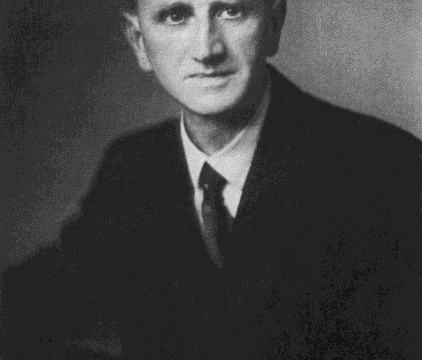
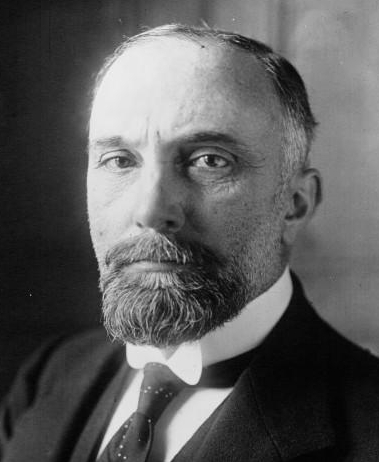
Carlo Sforza 1872 – 1952
Biography
Born into Montignoso’s quiet hills in 1872, Carlo Sforza would become one of Italy’s most consequential political figures, navigating his nation through revolutionary upheaval, fascism, and world war. His eight-decade span captured Italy’s most turbulent century—a front-row seat to transformation that few statesmen could claim. Sforza’s career was defined by an unwavering dedication to Italian politics and diplomacy, roles that demanded both principle and pragmatism as his country reinvented itself repeatedly.
Sforza’s legacy rested on his commitment to public service during Italy’s most testing hours. From the fading nineteenth century through mid-twentieth century chaos, he shaped political discourse and policy decisions that defined his generation. His work embodied the complexities of building and sustaining a nation in flux—a life spent wrestling with history’s heaviest questions. When he died in Rome in September 1952 at eighty, Sforza left behind a distinctly Italian legacy: a career etched into the very fabric of his nation’s modern story.