Chaïm Soutine 1893 – 1943
Biography
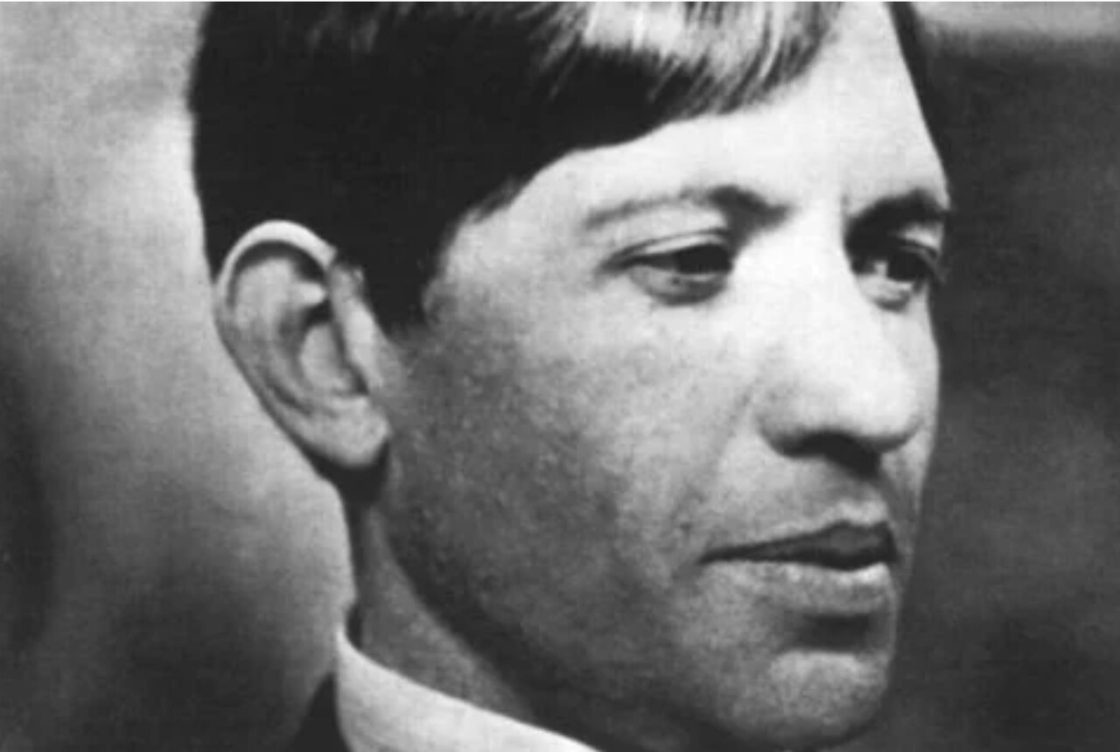
Chaïm Soutine burst onto the Parisian art scene as a visionary painter whose raw, emotionally charged work revolutionized modern art. Born in 1893 in a small Belarusian town, this Eastern European talent found his voice in the cafés and studios of Montparnasse, where he forged a distinctive artistic language that bridged his heritage and adopted homeland. His paintings—marked by bold, expressive brushwork and an almost violent intensity—captivated critics and collectors alike, establishing him as a pivotal figure in early 20th-century modernism.
Soutine’s oeuvre reflected his profound emotional responses to the world, channeling personal experience into canvases that seemed to vibrate with inner turbulence. His work became increasingly celebrated as he matured, earning him recognition among France’s most significant painters. Yet his later years were shadowed by the darkness of occupied Europe during World War II, forcing him to create under conditions of profound stress and uncertainty.
On August 9, 1943, stomach cancer claimed the fifty-year-old artist in Paris. He was laid to rest at Montparnasse Cemetery, a final resting place that honors his towering contribution to modern art. Soutine’s legacy endures as a testament to an artist who transformed raw emotion into unforgettable visual power.
Cemetery Map
View larger map →Satellite overview of the cemetery grounds.