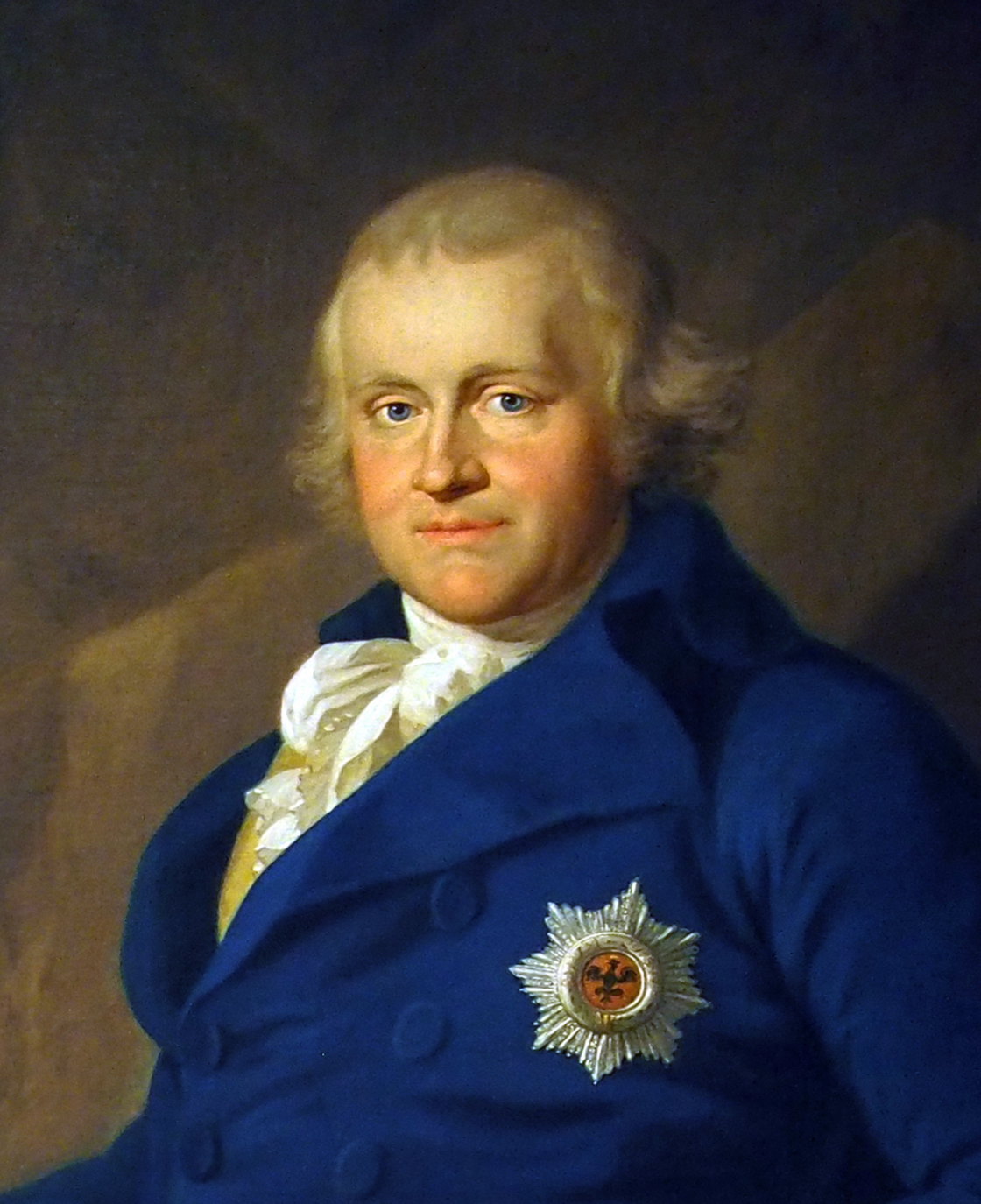
Charles Augustus, Grand Duke of Saxe-Weimar-Eisenach 1757 – 1828
Biography
Born into privilege in 1757, Charles Augustus inherited the Grand Duchy of Saxe-Weimar-Eisenach and became one of German nobility’s most influential figures during Europe’s most turbulent century. His reign spanned seven decades of seismic change—from the Enlightenment through Napoleonic upheaval to the birth of modern Germany—yet he navigated these treacherous waters with the steady hand of a born administrator.
What made Charles Augustus legendary was his unwavering commitment to Weimar itself. He transformed his modest territory into a cultural powerhouse, establishing his court as a beacon for artists, writers, and thinkers. His patronage and political acumen kept his realm stable and prosperous even as empires crumbled around him, cementing his reputation as a steward of both land and legacy.
When Charles Augustus died in 1828 at seventy, he left behind not just ancestral holdings but a city and a duchy reshaped by his vision. Buried in Weimar’s Historical Cemetery, he remains a defining figure in German aristocratic history—proof that noble influence could endure through intellect, foresight, and genuine devotion to one’s people.
Cemetery Map
View larger map →Satellite overview of the cemetery grounds.