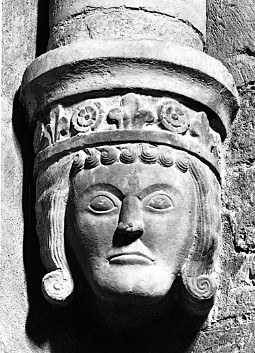
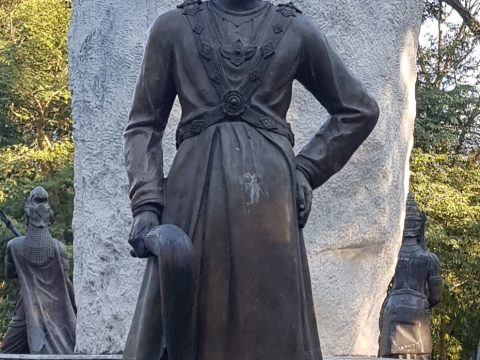
Charles I of Hungary 1288 – 1342
Biography
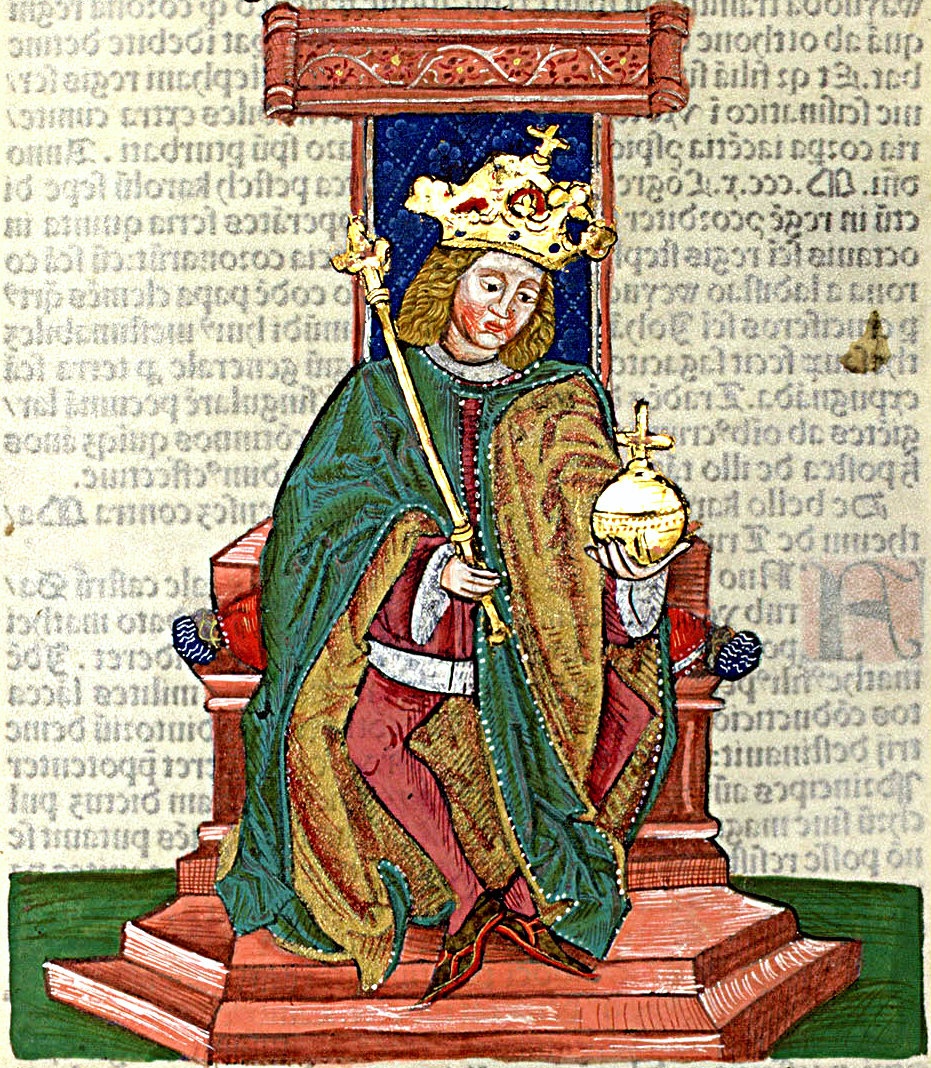
Born in Naples but destined for Budapest, Charles I rose from obscure beginnings to become one of medieval Europe’s most transformative rulers. He arrived in Hungary as a relative outsider, yet his iron will and political acumen allowed him to consolidate fragmented territories and establish himself as a force reshaping Central European power dynamics. His reign marked a pivotal moment when Hungary emerged as a unified kingdom capable of commanding respect across the continent.
Charles I’s true genius lay in his ability to navigate the treacherous medieval political landscape. He systematized Hungarian governance, fortified the crown’s authority, and positioned his realm as a serious player in European affairs—no small feat during an era of constant factional warfare and competing claims. His decades at the helm represented stability when the region desperately needed it.
When he died in 1342 at his palace in Visegrád, Charles I left behind a kingdom transformed. His burial in Székesfehérvár, Hungary’s most sacred royal city, underscored the legitimacy he’d achieved. Though the specific cause of his death went unrecorded, his legacy endured: a stronger, more unified Hungary that would influence the region for centuries to come.
Cemetery Map
View larger map →Satellite overview of the cemetery grounds.