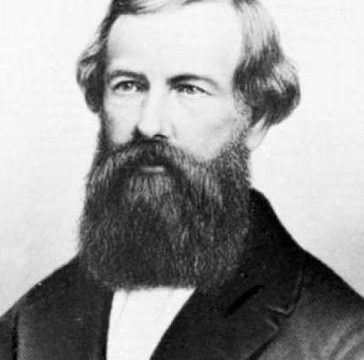
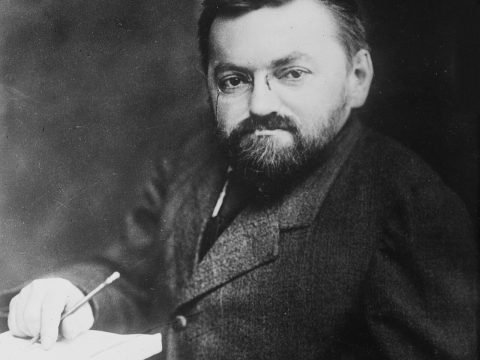
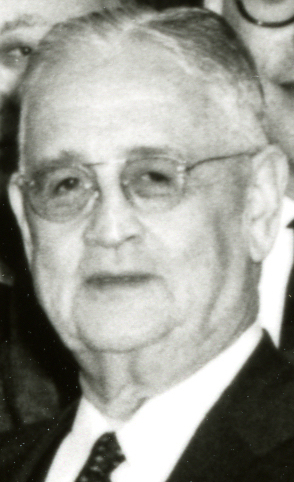
Charles Stark Draper 1901 – 1987
Biography
Charles Stark Draper was the visionary engineer who put America’s spacecraft on course. Born in 1901, Draper became the architect of inertial guidance systems—the navigational technology that steered missiles, aircraft, and eventually the Apollo missions to the moon. His innovation didn’t just advance engineering; it reshaped warfare, aviation, and space exploration itself, making him one of the twentieth century’s most consequential technical minds.
Based in Cambridge throughout his career, Draper built an empire of precision engineering that influenced generations of scientists. His work transformed abstract physics into instruments that actually worked under impossible conditions—a gift for turning theory into hardware that defined his legacy. He remained a commanding presence in innovation circles well into his later years, consulting and mentoring the next wave of engineers.
When Draper died in Cambridge in 1987 at eighty-five, he left behind technologies still guiding modern aircraft and spacecraft. His near-century life spanned from the Wright brothers to the space age, and he helped build the bridge between them.