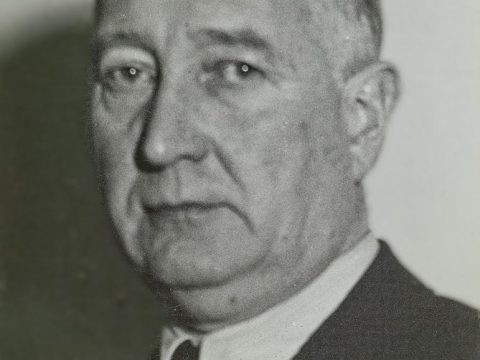
Chester Carlson 1906 – 1968

Biography
A Seattle-born physicist who fundamentally rewired how information moves through the modern world, Chester Carlson cracked a problem that would transform every office on the planet. His breakthrough in xerography—the dry copying process that became synonymous with Xerox machines—demolished the tedious, messy carbon-paper era and launched a technology so indispensable that “xerox” became a verb. This wasn’t laboratory abstraction; it was pure practicality that would define mid-century American business culture.
Carlson embodied the inventive spirit of twentieth-century science, channeling rigorous physics training into solving real-world headaches. His relentless pursuit of elegant technical solutions earned him recognition as a forward-thinking researcher who understood that genuine innovation bridges the gap between theory and everyday life. Beyond the patents and accolades, he remained committed to leveraging his success for philanthropic causes, proving that scientific genius could serve humanity broadly.
He died on September 19, 1968, of a heart attack at sixty-two, but his legacy refused to stay confined to history books. The xerographic revolution he pioneered reshaped industries, democratized information sharing, and altered how countless millions worked. In the span of one lifetime, Carlson didn’t just invent a machine—he fundamentally altered the mechanics of modern society.