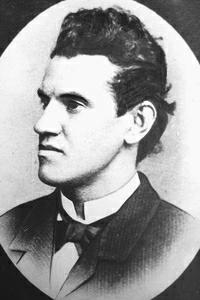
Ciprian Porumbescu 1853 – 1883
Biography
Born into 19th-century Romania during a cultural awakening, Ciprian Porumbescu emerged as a composer determined to shape his nation’s musical identity. From childhood, he displayed an unmistakable gift that set him apart—a talent that would define a generation of Romanian artists establishing their country’s distinctive voice on the European stage. His work captured the artistic aspirations of a nation in transition.
Though his career spanned just two decades, Porumbescu’s compositions reflected the ambitions of late 19th-century Romania. He dedicated himself to musical creation during a pivotal moment when Romanian musicians were finally claiming their place in Europe’s cultural landscape. His legacy became intertwined with his country’s own journey toward artistic independence.
Tuberculosis claimed Porumbescu at just twenty-nine, cutting short a life brimming with unrealized promise. He died June 6, 1883, in the village that would eventually bear his name—a tragic echo of the countless gifted individuals felled by the era’s most ruthless disease. Though brief, his time left an indelible mark on Romania’s cultural heritage.