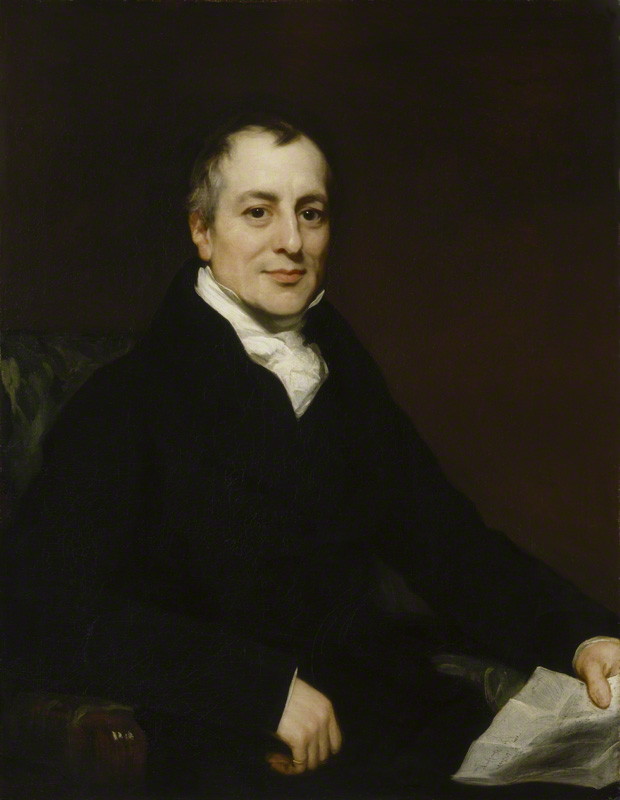
David Ricardo 1772 – 1823
Biography
Born into London’s merchant class in 1772, David Ricardo became the architect of modern economic theory during an era when nations were grappling with trade, value, and wealth like never before. His groundbreaking ideas on international commerce didn’t stay confined to academic circles—they rocketed into Parliament and the halls of power, reshaping how governments understood economics itself.
Ricardo’s real superpower was taking abstract economic principles and making them impossible to ignore. Whether he was interrogating the nature of value or revolutionizing thinking on global trade, his work electrified the intellectual landscape of early 19th-century Britain. His influence didn’t fade when he died in 1823 at just fifty-one; instead, it deepened, with generations of economists building their theories on the foundations he’d laid.
The legacy? Ricardo transformed economics from philosophical musing into a discipline that actually moved markets and policy. His ideas still echo through classrooms and boardrooms today, proof that sometimes one brilliant mind can reset how an entire world thinks about money and power.
More Images

Cemetery Map
View larger map →Satellite overview of the cemetery grounds.