Dong Qichang 1555 – 1636
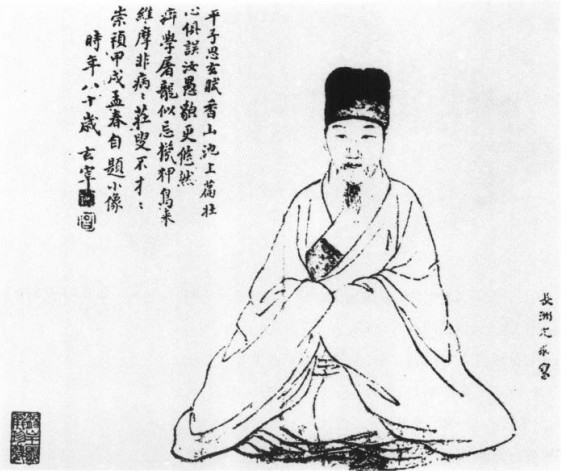
Biography
Born into Ming Dynasty cultural golden age, Dong Qichang became the most transformative art theorist and practitioner of his era. This painter, calligrapher, and scholar didn’t just create masterworks—he fundamentally rewired how Chinese artists understood their own craft. His revolutionary writings on painting theory elevated aesthetic discourse from workshop gossip to philosophical inquiry, establishing intellectual frameworks that would dominate artistic thought for centuries.
Qichang’s genius lay in bridging creation and criticism. While perfecting his own brush, he was simultaneously architecting the conceptual foundations of Chinese art, distinguishing between schools and traditions in ways that still resonate today. His eight-decade life—spanning from 1555 to 1636—positioned him as a rare figure: equally revered as visionary theorist and accomplished practitioner, the rare polymath who shaped both canvas and consciousness.
His influence extended across generations, cementing principles and standards that became cornerstones of Chinese artistic tradition. Dong Qichang’s legacy proves that sometimes the most powerful art happens not on silk, but in ideas—the frameworks we use to see beauty itself.
Cemetery Map
View larger map →Satellite overview of the cemetery grounds.