Douglas Haig, 1st Earl Haig 1861 – 1928
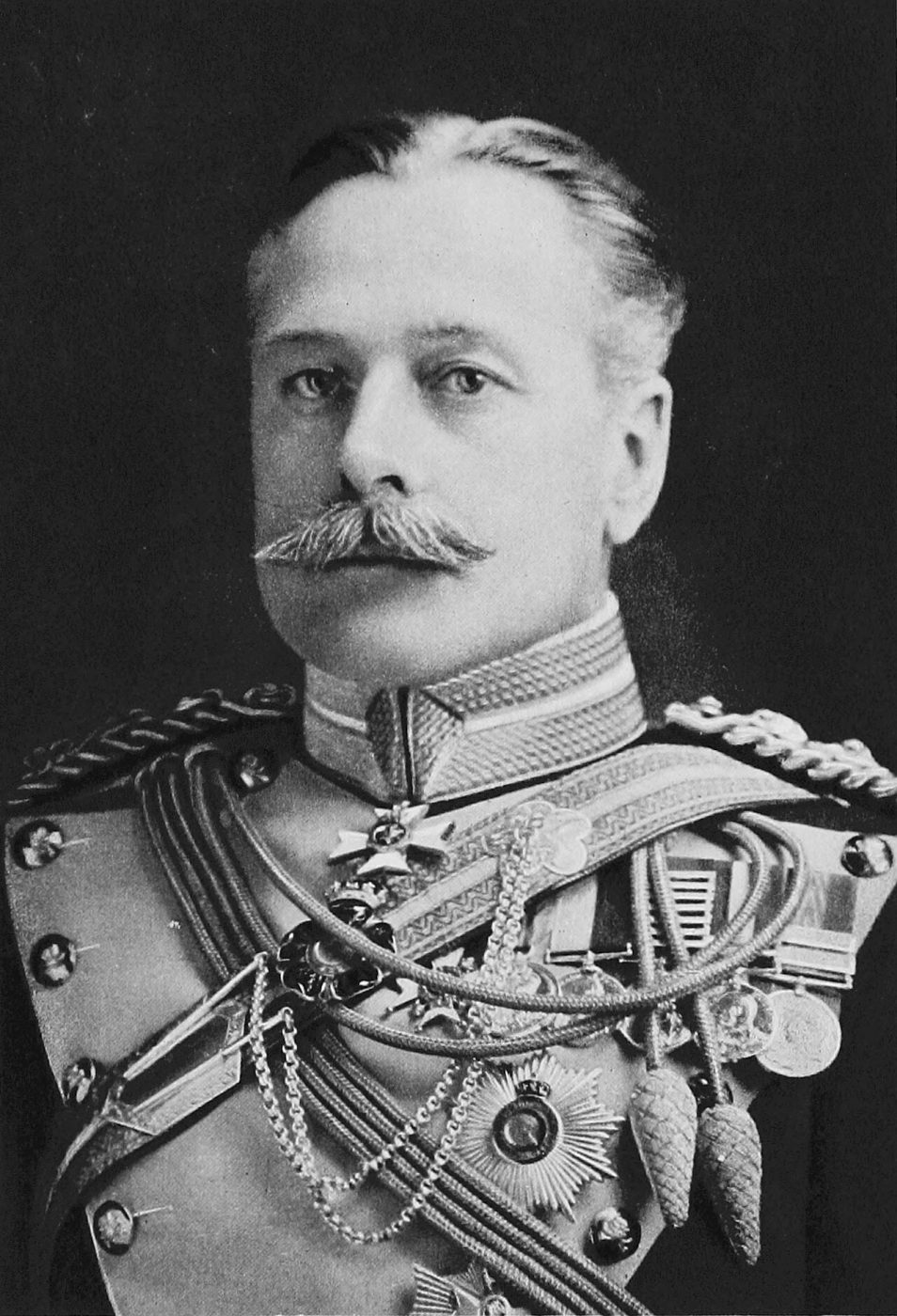
Biography
Douglas Haig rose to prominence as Britain’s supreme military commander during the First World War, inheriting a conflict that would fundamentally transform warfare forever. Born into Scottish aristocracy in 1861, Haig ascended through the ranks to become one of the era’s most influential—and most contested—military figures, commanding vast forces across the Western Front’s brutal, grinding campaigns. His decisions shaped the course of the twentieth century’s defining conflict, placing him at the center of history’s most consequential moments.
Haig’s tenure during the Great War thrust him into the impossible position of navigating unprecedented industrial-scale combat, where traditional military strategy collided violently with machine-gun technology and trench warfare. He commanded millions, orchestrated massive offensives, and bore the weight of decisions that reverberated across nations. His legacy remains complex and debated—a towering figure whose role in the war continues to spark historical discussion decades after his death.
When Haig died in January 1928, he carried with him the burden of an entire generation’s experience. His funeral reflected his stature, and he was laid to rest at Dryburgh Abbey in Scotland’s borderlands, a final resting place befitting a man who had shaped the modern world, for better and worse.
More Images

Cemetery Map
View larger map →Satellite overview of the cemetery grounds.