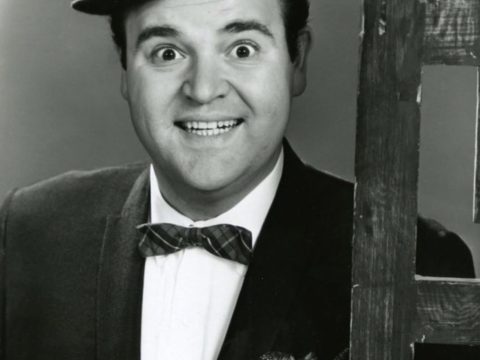
Douglas Sirk 1897 – 1987

Biography
German-born director Douglas Sirk revolutionized melodrama, transforming it from dismissed soap opera fare into high art. Operating across Weimar Germany, Nazi-era Europe, and ultimately Hollywood, Sirk crafted visually stunning films that married sumptuous aesthetics with genuine emotional depth. His 1950s Hollywood output—including the iconic *Imitation of Life*—became the gold standard for the genre, influencing generations of filmmakers who’d rediscover his work decades later.
What set Sirk apart was his refusal to condescend to his material. Where others saw melodrama as lowbrow entertainment, he recognized it as a vehicle for exploring genuine human conflict and social hypocrisy. His lush Technicolor compositions and fluid camera work elevated every frame into visual poetry, while his narratives tackled class anxiety, racial tension, and impossible desire with surprising sophistication for their era.
Sirk’s influence proved generational. Film scholars and directors spent the 1970s onward reassessing his legacy, recognizing him as a visionary rather than a mere craftsman. He spent his final decades in Lugano, Switzerland, witnessing his rehabilitation from forgotten studio director to canonical master—a vindication that few artists experience in their lifetimes.