
Duy Tân 1900 – 1945
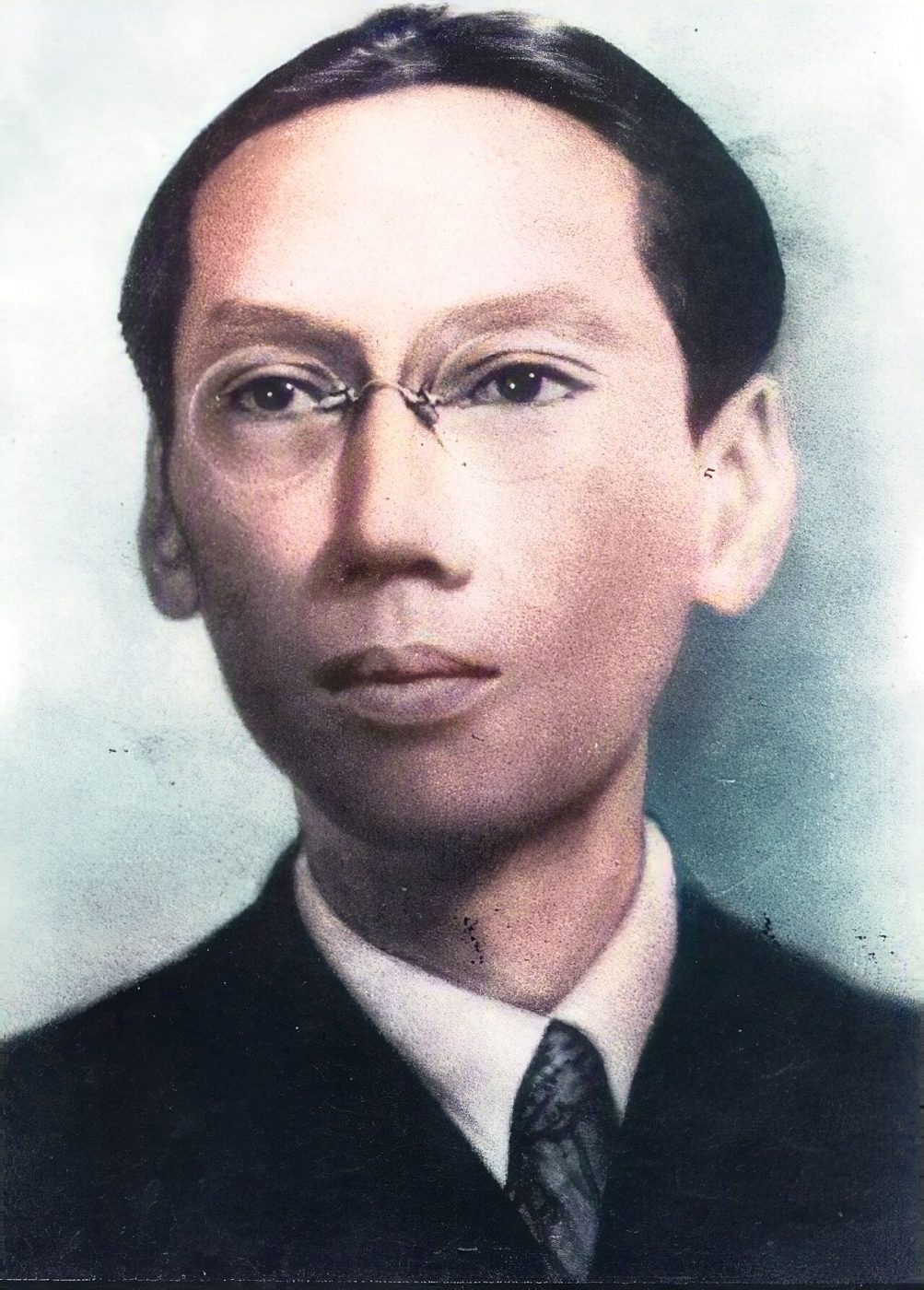
Biography
Born into imperial privilege in Huế in 1900, Duy Tân ascended to Vietnam’s throne during one of the nation’s most turbulent periods—the height of French colonial rule. As emperor, he became a symbol of Vietnamese sovereignty during an era when that sovereignty was severely constrained, navigating the razor’s edge between tradition and foreign domination during his formative years.
Duy Tân’s reign embodied the contradictions of early twentieth-century Vietnam: a young leader caught between preserving imperial heritage and confronting the realities of colonialism. His life unfolded against the backdrop of seismic shifts across Southeast Asia, making him a pivotal—if often complex—figure in Vietnamese political history.
He died on Christmas Day 1945 in Lobaye Prefecture, far from his imperial birthplace, at a moment when Vietnam stood on the precipice of independence. Though his life spanned just forty-five years, Duy Tân remains a significant chapter in Vietnam’s imperial legacy—a ruler who embodied his nation’s struggle for autonomy during its most challenging century.


