Edward Gordon Craig 1872 – 1966
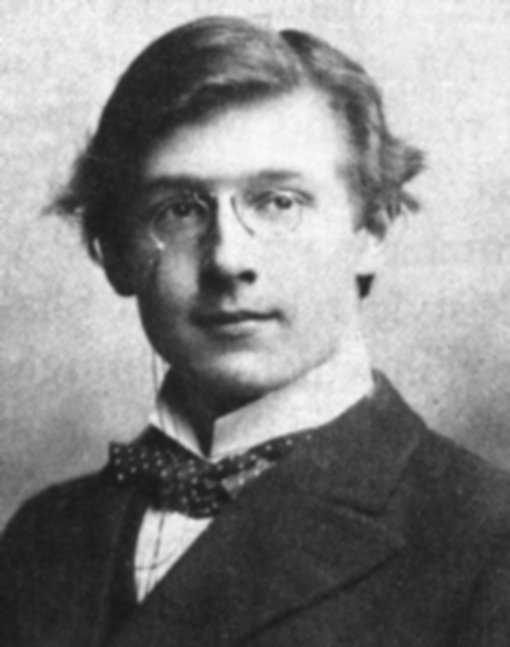
Biography
Born in Stevenage in 1872, Edward Gordon Craig became the visionary who transformed theatre from a actor-driven spectacle into a unified work of art. As a pioneering stage designer and director, Craig revolutionized how stories could be told on stage, treating every element—lighting, sets, actor movement—as part of one cohesive artistic vision. He didn’t just decorate stages; he reimagined what theatre could be.
Craig was more than a practitioner; he was a theorist who fundamentally challenged how theatre worked. While his contemporaries still saw design as decoration, Craig positioned it as a creative equal to acting and direction itself. His modernist approach bridged traditional theatre and avant-garde experimentation, influencing designers and directors across Europe and beyond. He proved that bold visual thinking could unlock entirely new ways to engage audiences.
When Craig died in Vence, France, in 1966 at ninety-four, he left behind a revolution. His principles—that theatre required unified vision, that design was essential, that innovation mattered—became the foundation for modern theatrical practice. Today’s most ambitious stage productions still follow the blueprint Craig created a century ago.