Eleanor of Anjou, Queen of Sicily 1289 – 1341
Biography
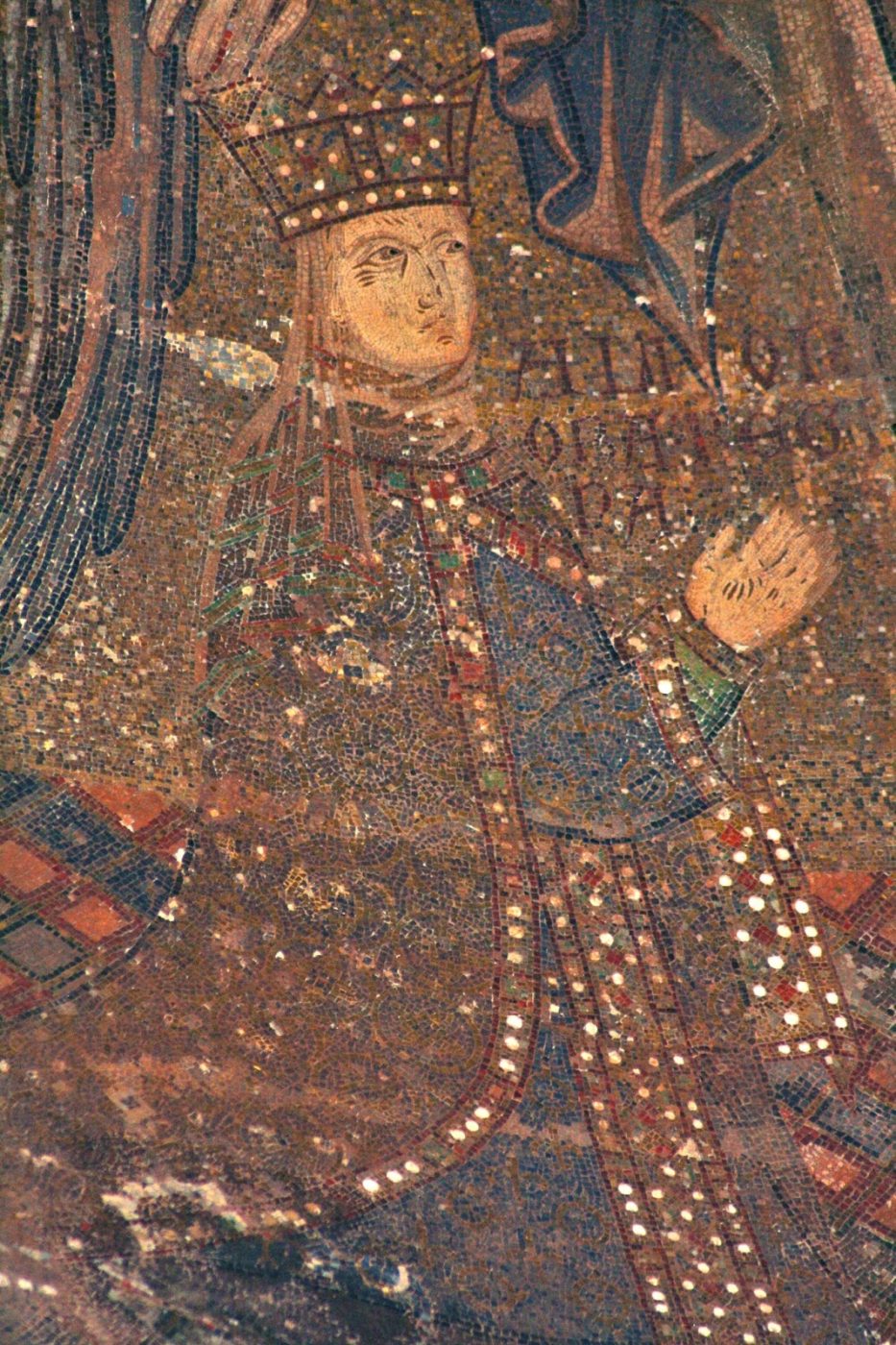
Born into the Angevin dynasty’s glittering orbit in 1289, Eleanor of Anjou traded the intrigue of Naples’s royal court for a crown in Sicily through strategic marriage. As Queen consort, she navigated the treacherous politics of medieval Mediterranean power—a world where royal bloodlines were currency and every alliance carried weight. Her position connected her to one of Europe’s most formidable families during a pivotal era of dynastic transformation.
But Eleanor’s most compelling chapter came later. In a striking turn that echoed the spiritual awakenings of her era’s nobility, she eventually retreated to the Monastery of San Nicolò l’Arena in Sicily, trading silk for habit and court whispers for monastic silence. She died there in 1341 at fifty-two, her final years devoted to religious contemplation rather than courtly ambition—a quieter kind of power for women of her station.
Entombed at San Francesco all’Immacolata in Catania, Eleanor’s legacy quietly speaks to a woman who embraced both her earthly role and a deeper calling. Though historical records offer few dramatic details, her arc tells its own story: from princess to queen to penitent, a journey that captures the hidden lives of medieval women of rank.
Cemetery Map
View larger map →Satellite overview of the cemetery grounds.