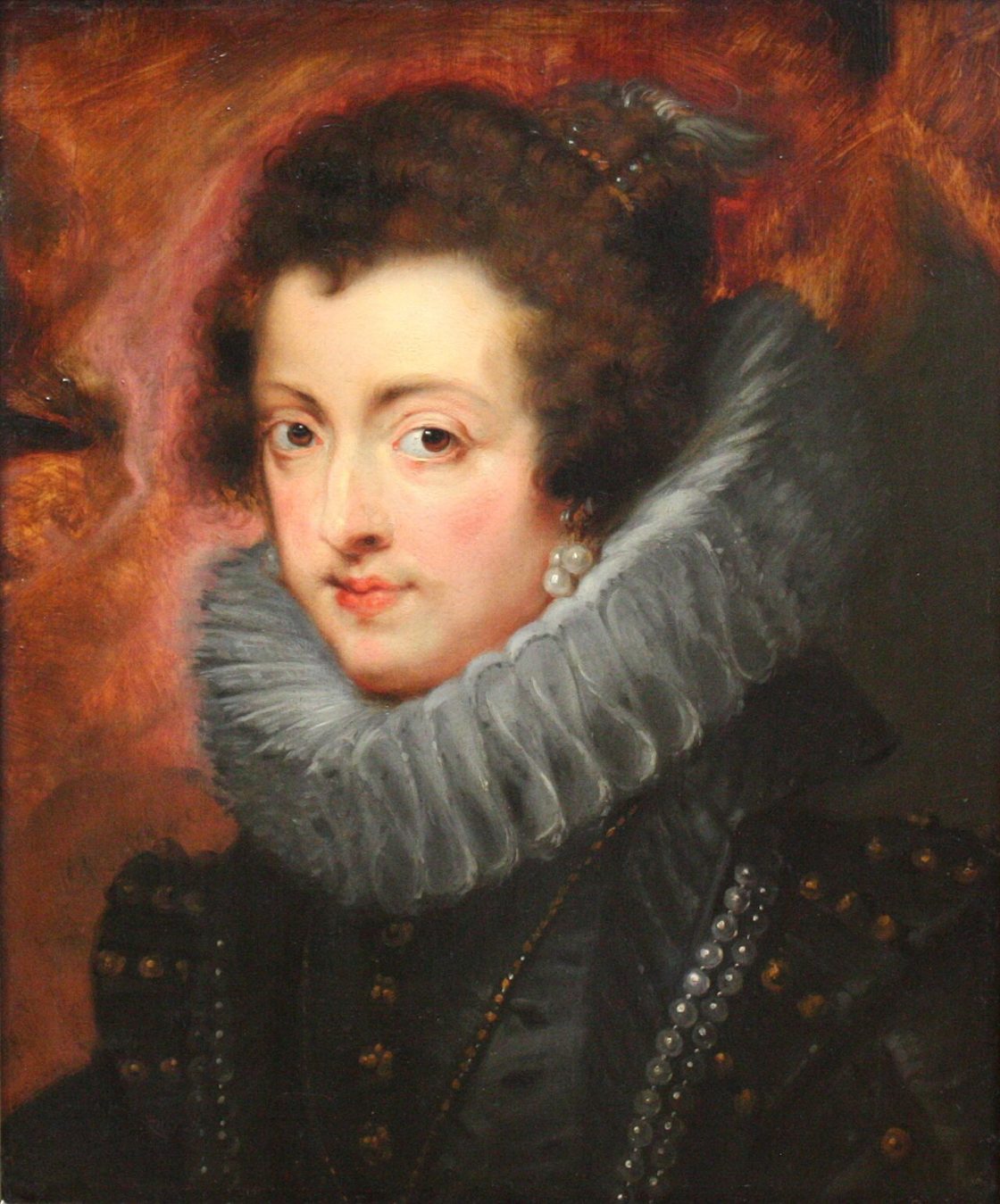
Elisabeth of France 1602 – 1644
Biography
Born into the glittering world of Fontainebleau in 1602, Elisabeth of France arrived as European royalty’s golden ticket—a princess whose bloodline promised to reshape continental power dynamics. Her real fame, however, came through her strategic marriage to Spain’s throne, transforming her into a cultural bridge between two of Europe’s mightiest dynasties. As Queen consort, Elisabeth didn’t just wear a crown; she wielded genuine influence over Iberian court politics and prestige during the tumultuous seventeenth century, commanding the kind of diplomatic weight that shaped nations.
Elisabeth’s reign in Madrid cemented her legacy as a woman of substance—not merely ornamental, but instrumental. Her presence at the Spanish court legitimized Franco-Spanish ties during a critical era, making her far more than a ceremonial figurehead. On October 6, 1644, an infectious disease claimed her life, ending a chapter of royal significance that had rippled across Europe’s political landscape.
Today, Elisabeth rests in the Royal Monastery of San Lorenzo de El Escorial, entombed among Spain’s most honored dead—a fitting final resting place for a queen who spent her life bridging empires.
Cemetery Map
View larger map →Satellite overview of the cemetery grounds.