Emperor An of Han 94 – 125
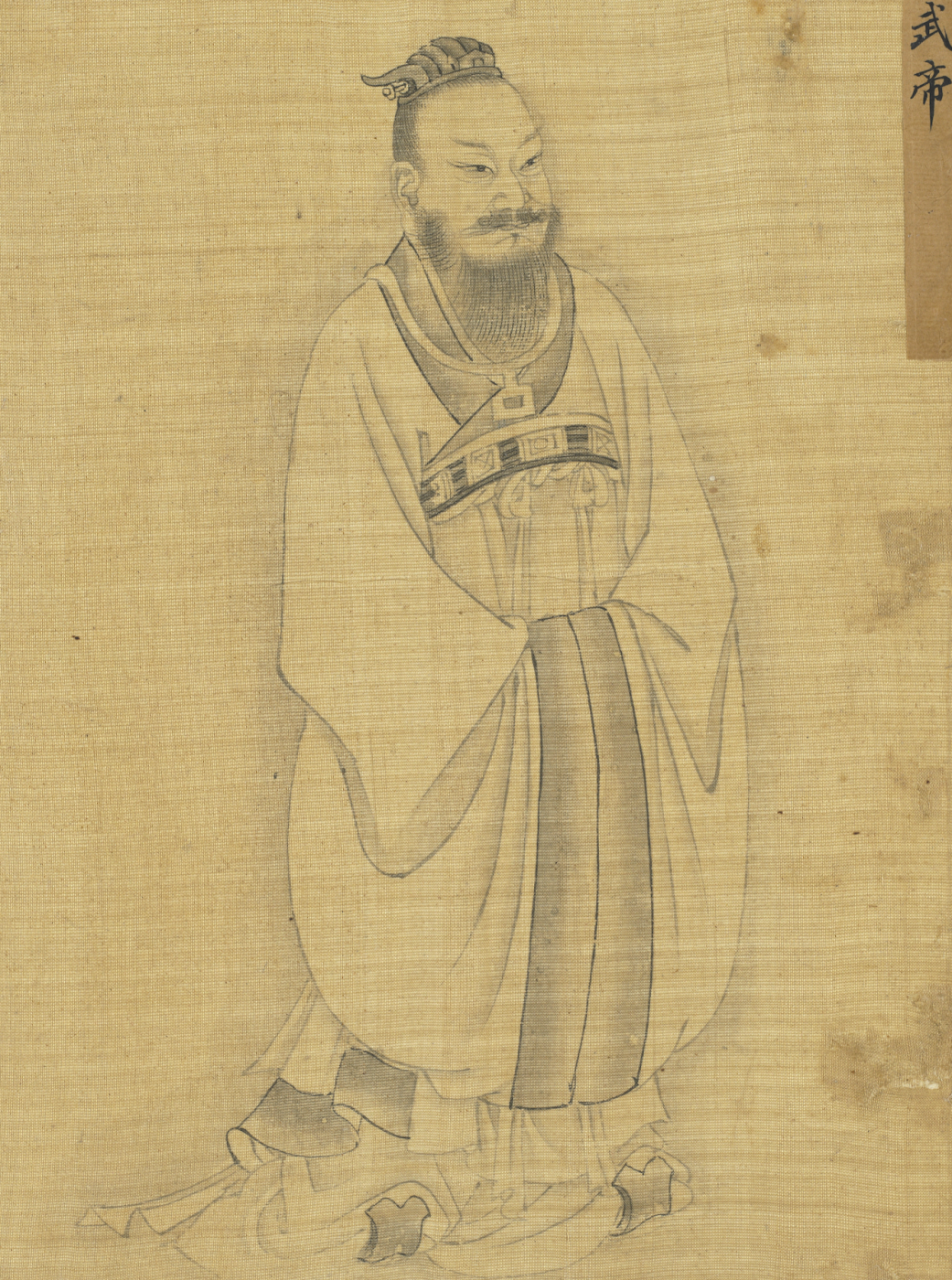
Biography
He took the throne at just twelve years old and held it for nearly two decades—a remarkable feat in an era when imperial power was anything but guaranteed. Emperor An of Han ascended in 106 CE during one of history’s most transformative periods, inheriting the massive administrative machinery of a dynasty at its cultural peak. His youth made him vulnerable to court intrigue, yet he managed to navigate the treacherous politics of the Han palace and maintain his grip on power through nearly twenty years of rule.
An’s reign represented a crucial stabilizing force during a pivotal moment in Chinese imperial history. He presided over one of civilization’s most influential dynasties at a time of considerable cultural flourishing and institutional refinement, ensuring the continuity of Han governance through a potentially fragile period. Though historical records remain sparse on specific policies and achievements, the sheer length and relative stability of his tenure speaks volumes about his political acumen and resilience.
When Emperor An died on April 29, 125 CE—still relatively young—he left behind a legacy of unbroken imperial succession and dynastic continuity. His ability to maintain power through adolescence and into adulthood marked him as a survivor in a ruthless political arena, cementing his place in the annals of Chinese imperial history.
More Images