Emperor Meiji 1852 – 1912
Biography
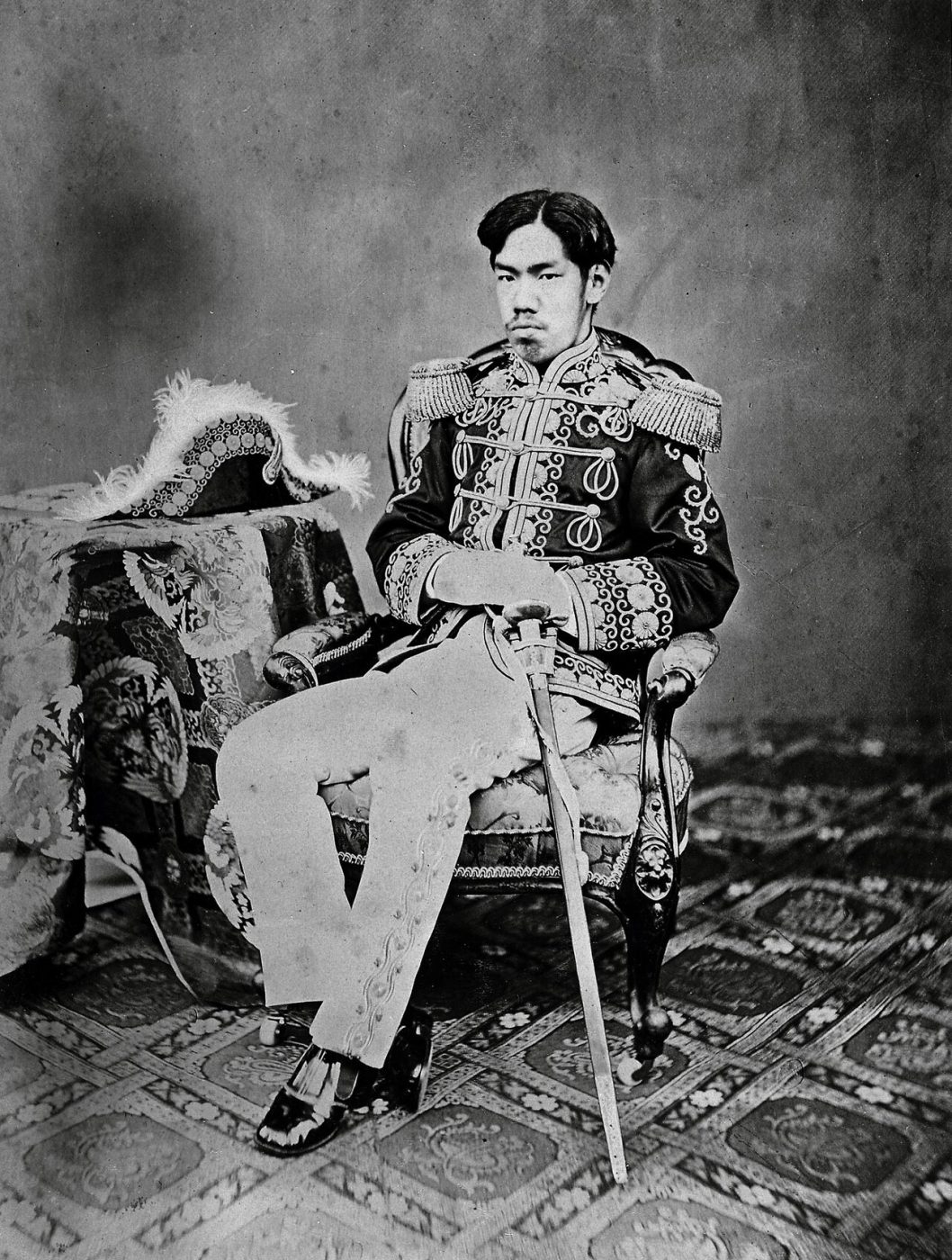
Born into imperial privilege in 1852, Emperor Meiji became the visionary force behind Japan’s electrifying transformation from feudal state to global powerhouse. His forty-five-year reign, beginning in 1867, wasn’t just about modernization—it was a complete reinvention. While maintaining his role as sacred imperial figurehead, Meiji presided over Japan’s meteoric rise: industrialization, military strengthening, and strategic Western adoption that catapulted the island nation onto the world stage as a serious player.
What made Meiji’s legacy extraordinary was the speed and scope of change under his watch. Japan didn’t merely import Western ideas; it synthesized them brilliantly with tradition, creating something entirely new. From infrastructure to institutions, from military might to cultural institutions, the Meiji era became shorthand for enlightened transformation.
When diabetes claimed the emperor on July 30, 1912, at Meiji Palace, Japan lost the architect of its modern identity. Buried in Tokyo, Emperor Meiji remains revered—not just as a figurehead, but as the visionary who guided his nation through its most pivotal century, reshaping Asia’s future in the process.
More Images

Cemetery Map
View larger map →Satellite overview of the cemetery grounds.