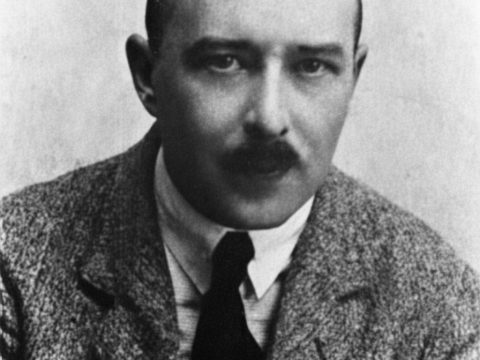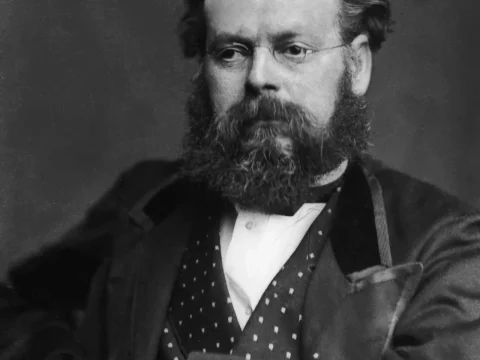
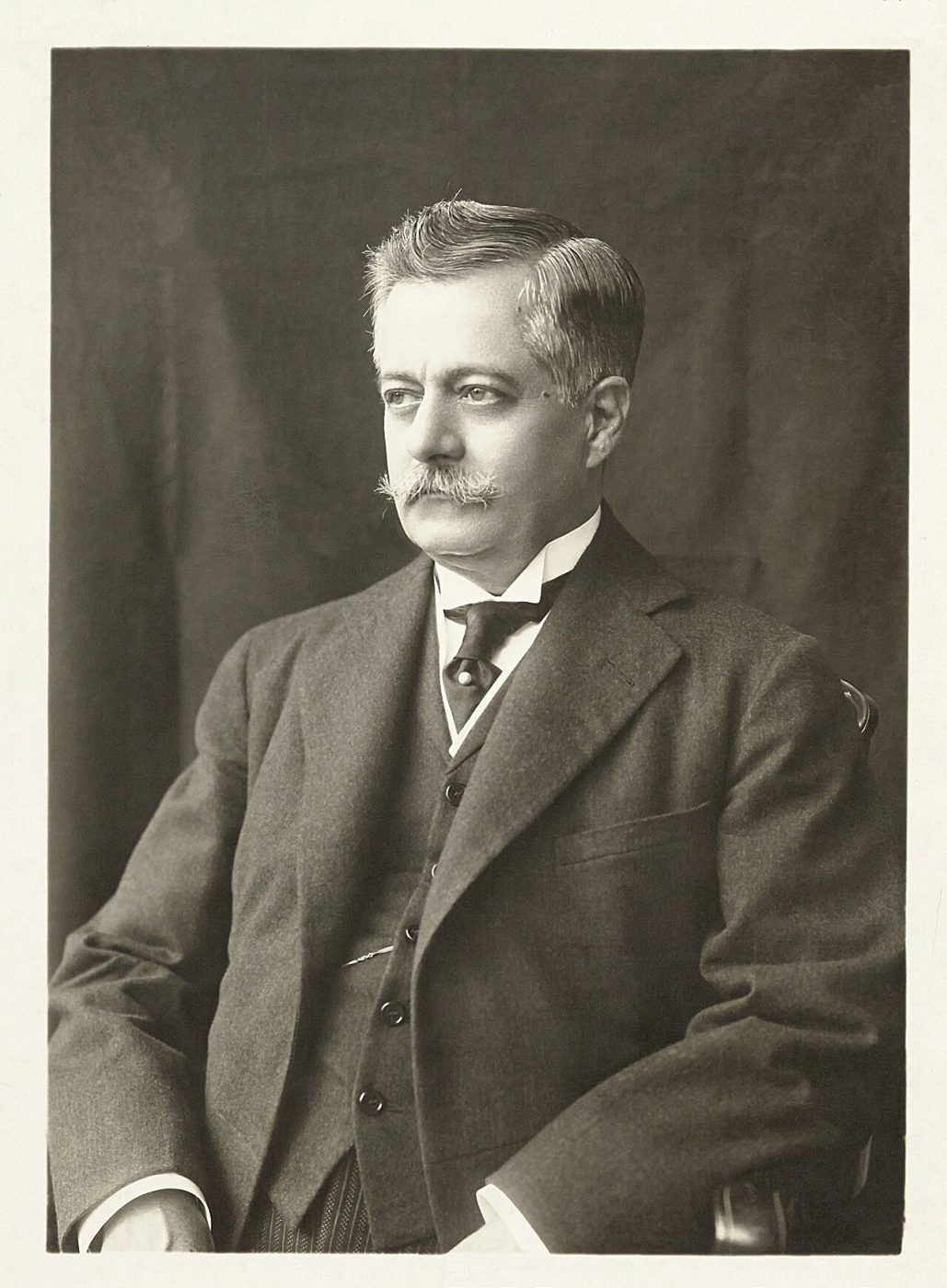
Epitácio Pessoa 1865 – 1942
Biography
Epitácio Pessoa rose to prominence as one of Brazil’s most influential judicial and political figures during a transformative era. Born in 1865 in Umbuzeiro, he dedicated his career to shaping the nation’s legal institutions and governance structures during a period of sweeping national change. His work in the judiciary and government exemplified the intellectual ambitions of late nineteenth and early twentieth-century Brazilian leadership, establishing him as a key architect of the country’s institutional development.
Throughout decades of public service, Pessoa commanded considerable influence across Brazil’s political and legal circles. His career reflected a deep commitment to the rule of law and civic responsibility during some of Brazil’s most pivotal decades. He became synonymous with the aspirations of his generation to modernize and strengthen the nation’s foundational systems.
In his final years, Pessoa retreated to Petrópolis, the mountainous retreat favored by Brazil’s elite near Rio de Janeiro. He died there on February 13, 1942, at seventy-six, succumbing to Parkinson’s disease. His passing closed the chapter on a life entirely devoted to public service, leaving an indelible mark on Brazil’s judicial and political legacy.