Ernest Thompson Seton 1860 – 1946
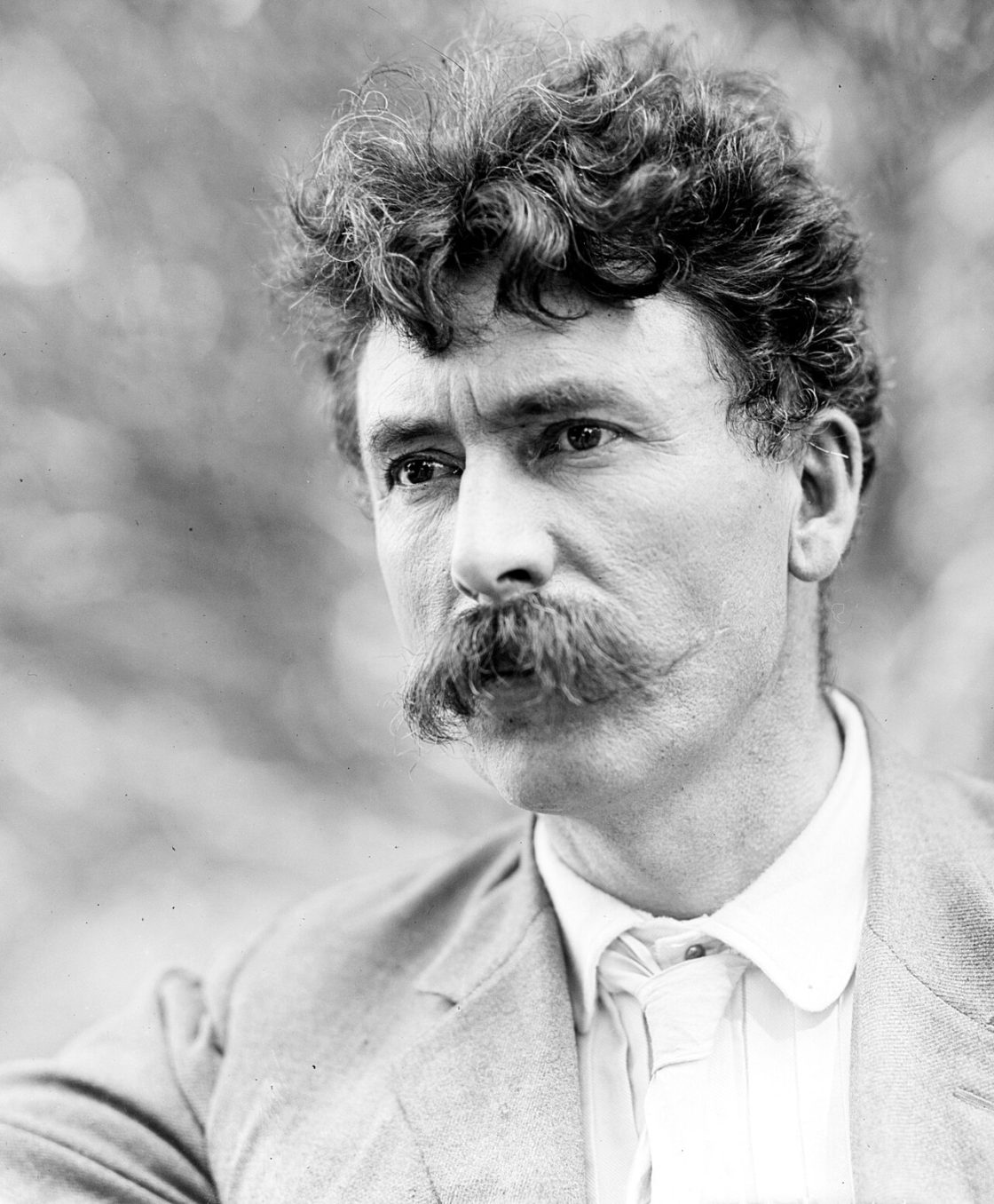
Biography
Ernest Thompson Seton blazed a trail as a naturalist-artist who made the wild irresistible to the masses. Born in England in 1860, Seton became an unstoppable force across multiple fronts—painting and illustrating with scientific precision, writing bestselling wildlife stories that captivated readers, and documenting nature with an artist’s eye and a naturalist’s rigor. His vivid depictions of animals weren’t sentimental; they were unflinching windows into authentic wilderness.
But Seton’s real revolution happened off the page. He co-founded the scouting movement, fundamentally transforming how young people engaged with the outdoors. His philosophy was radical for the era: direct experience in nature, real outdoor skills, and moral character weren’t luxuries—they were essential education. Scouting became a global phenomenon, introducing millions of youth to wilderness, self-reliance, and adventure.
In his final chapter, Seton established Seton Village in New Mexico, a living embodiment of his ideals—a sanctuary marrying community and nature. When he died in 1946, he left behind a movement that outlived him by generations and an unmistakable cultural imprint: the belief that nature isn’t something to observe from a distance, but to inhabit, learn from, and protect.
Cemetery Map
View larger map →Satellite overview of the cemetery grounds.