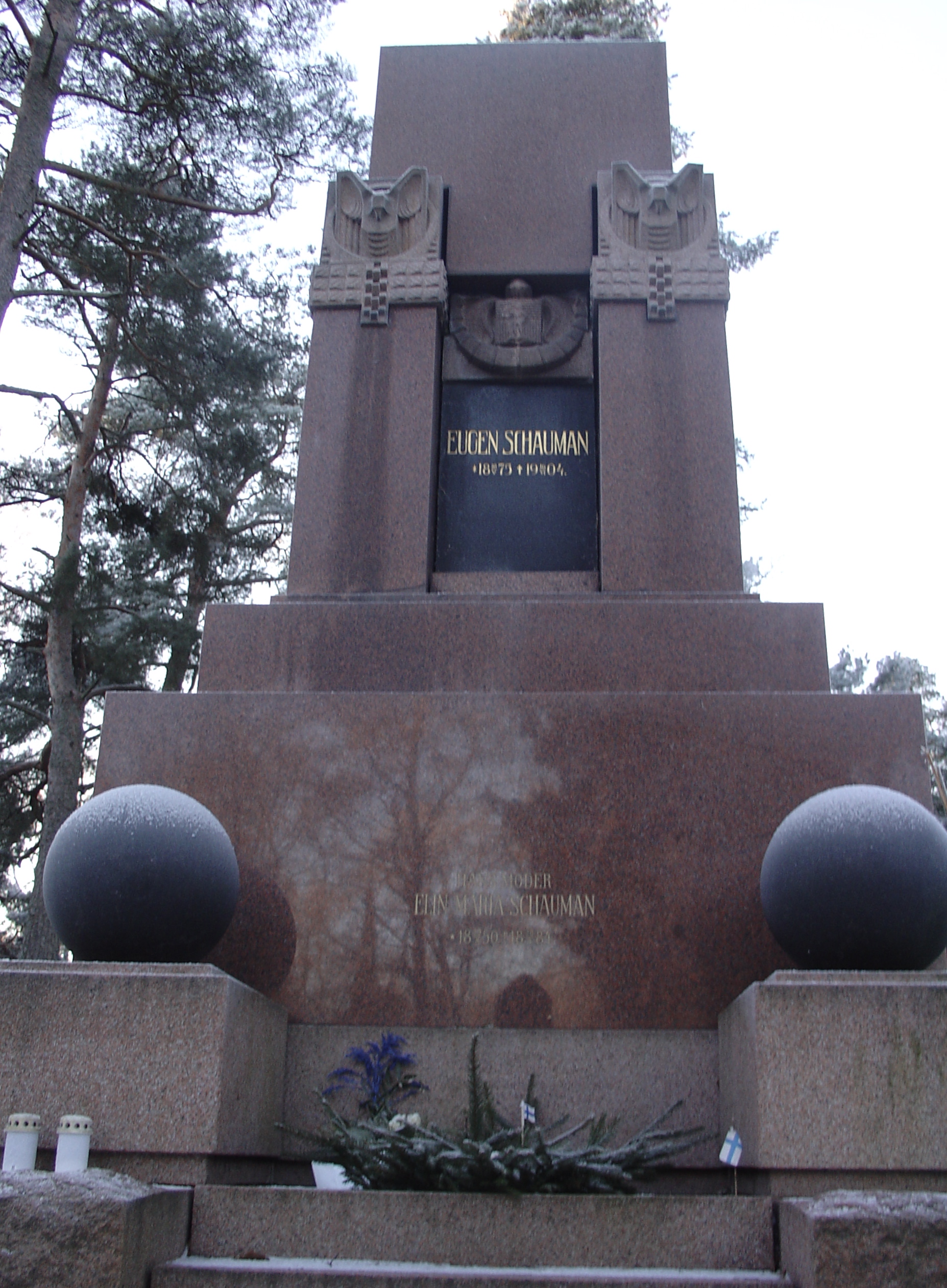
Eugen Schauman 1875 – 1904
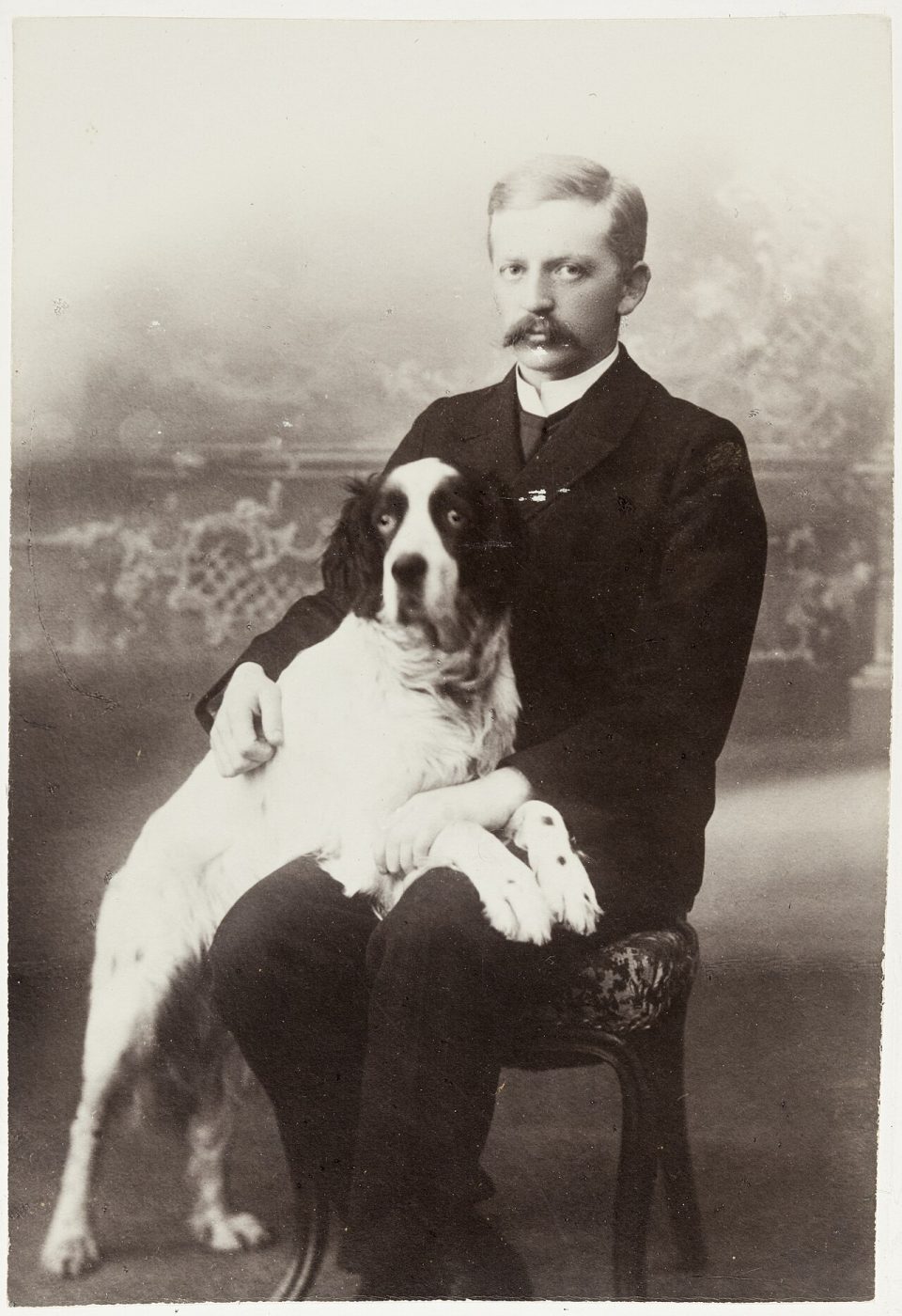
Biography
Eugen Schauman was born on May 10, 1875, in Kharkiv, during a period of significant political tension in the Russian Empire. He grew up during a time of rising national consciousness, and his life would become intertwined with the struggle for Finnish independence and autonomy. His early years were shaped by the political currents that defined his generation—a generation determined to resist imperial Russian control over Finland.
In 1904, Schauman became a pivotal but tragic figure in Finnish history. On June 16 of that year, he carried out an act that would define his legacy: the assassination of Nikolai Bobrikov, the Governor-General of Finland, who had implemented oppressive policies aimed at russifying the Finnish people and limiting their autonomy. This act of violence was born from deep conviction and desperation, representing the extreme lengths to which some were willing to go in pursuit of national self-determination.
Schauman died on the same day as his assassination attempt, killed by a gunshot wound in Helsinki. His death marked a dramatic conclusion to his brief but consequential life. Though his name has largely faded from widespread memory, his actions resonated deeply within Finnish society and became emblematic of the sacrifices made during the struggle for independence.
More Images