Fede Galizia 1578 – 1630
Biography
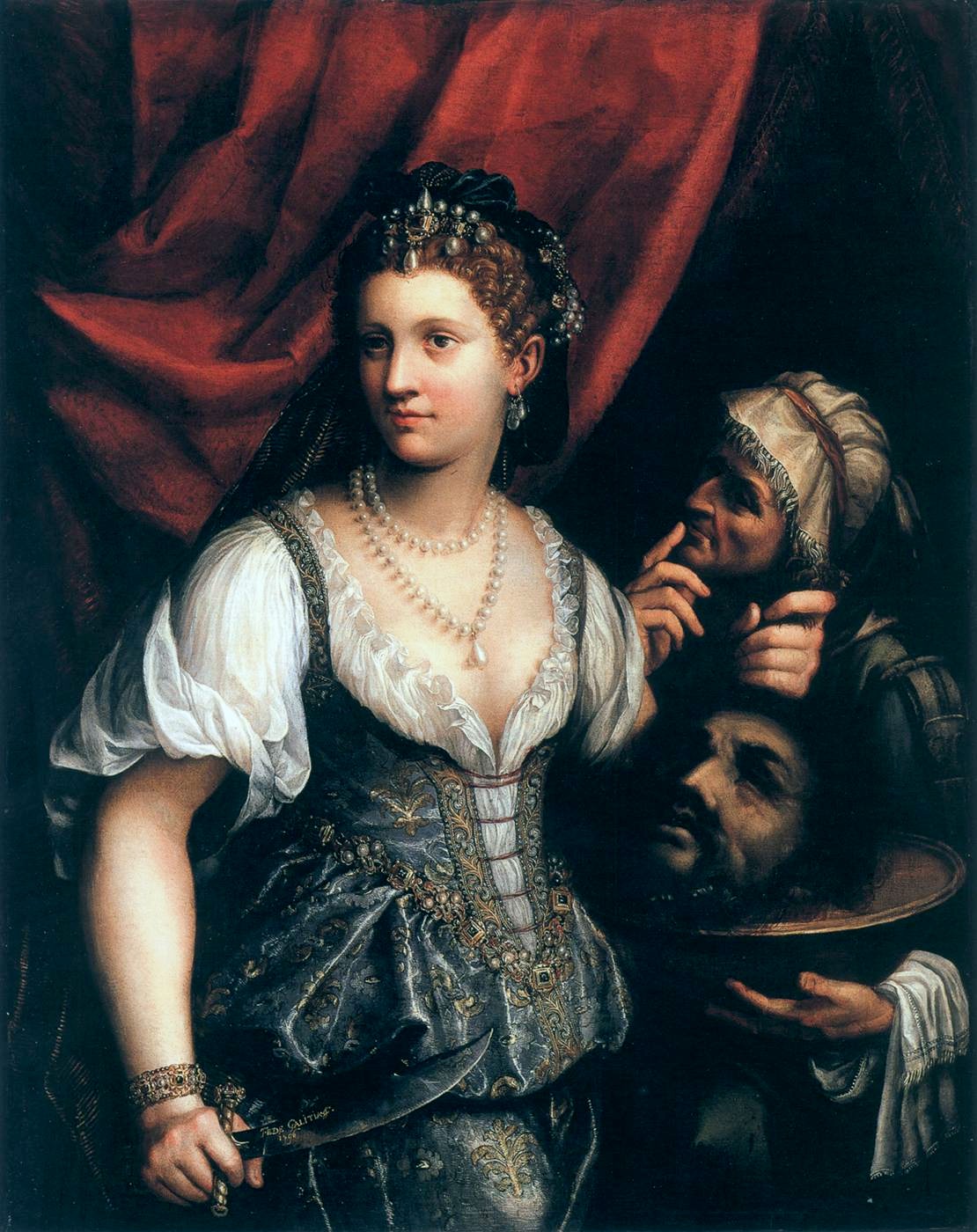
Fede Galizia wielded her brush in Renaissance Milan when few women dared pick one up. Born into the city’s golden age of art in 1578, she refused to remain a footnote in her era’s story, carving out a decades-long career as a painter when the profession was almost exclusively male territory. Working amid the grandeur and competition of one of Italy’s greatest artistic hubs, Galizia proved that talent transcends gender—establishing herself as a serious contributor to Milan’s visual legacy during a period when recognition for women artists was nearly impossible to come by.
Her fifty-two-year life embodied quiet rebellion. While countless male contemporaries’ names echo through art history, Galizia’s persistence in the studio speaks volumes about her determination and skill. She navigated the constraints of her time with her art, leaving behind a body of work that testified to her place within Italy’s rich Renaissance tradition.
In 1630, plague claimed her—the same merciless disease ravaging Europe. Her burial site vanished into history, but her artistic contributions endure as proof that genius knows no gender, even when the world tries its hardest to erase it.