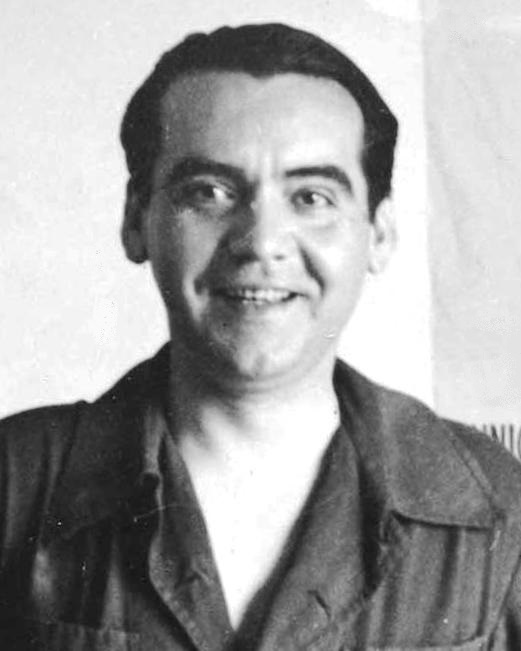
Federico García Lorca 1898 – 1936
Biography
Spain’s poet-dramatist extraordinaire burst onto the literary scene as a visionary voice who refused to play it safe. Lorca didn’t just write—he electrified Spanish culture with searing emotional intelligence, crafting plays and poetry that laid bare the human soul. His work pulsed with passion, exploring themes of desire, identity, and vulnerability with a rawness that shattered artistic conventions of his era. By his thirties, he’d become one of the nation’s most celebrated creative forces, commanding attention across multiple literary forms.
Lorca’s genius lay in his ability to blend folk traditions with modernist daring, creating art that felt simultaneously rooted and revolutionary. His plays and poems didn’t whisper—they demanded to be felt, to be reckoned with. He gave voice to experiences and emotions that polite society preferred to ignore, making him a cultural lightning rod and a champion of artistic freedom.
On August 19, 1936, at just 38, Lorca’s meteoric rise ended in tragedy when he was killed in a mass shooting during Spain’s brutal civil war. His death silenced one of literature’s most vital voices at its absolute peak. Yet his body of work endures as a testament to raw artistry and uncompromising vision, cementing his status as one of the twentieth century’s most influential artists.