Felice Casorati 1883 – 1963
Biography
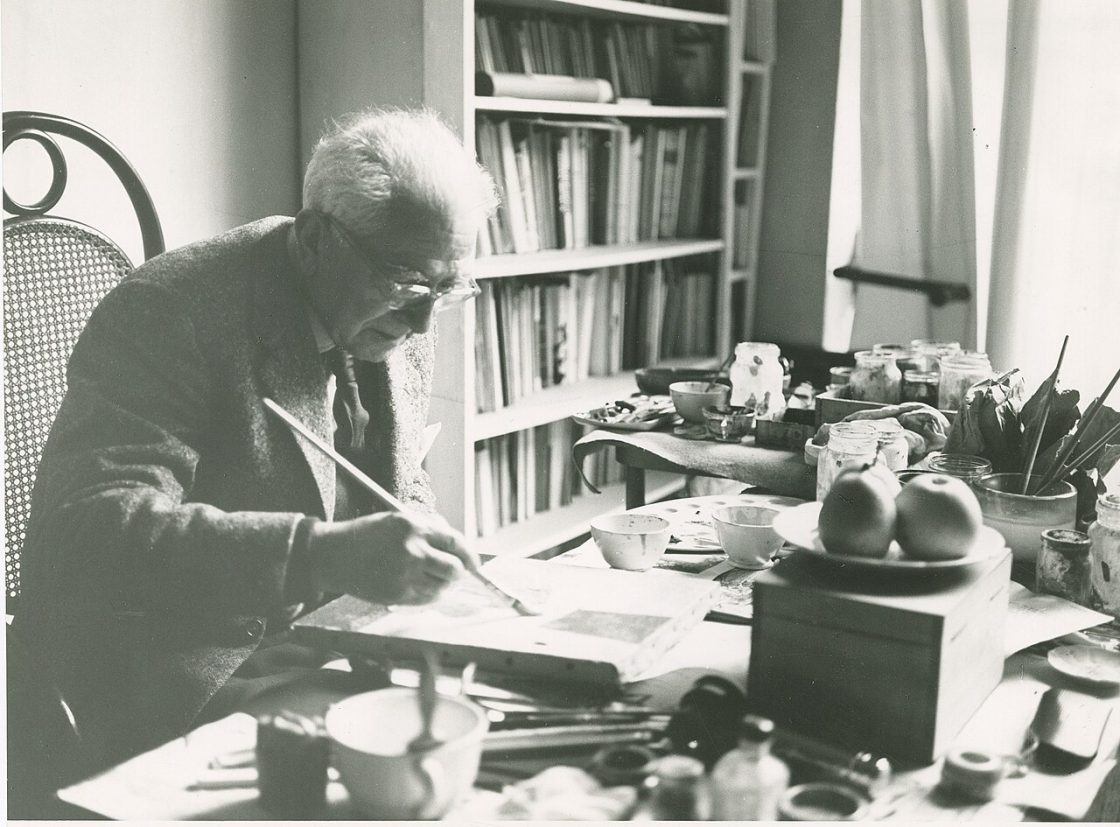
An Italian modernist master who commanded the canvas with psychological intensity, Felice Casorati transformed early 20th-century painting through his distinctive approach to form and human presence. Working across decades of artistic upheaval, he developed a visual language that bridged tradition and innovation, creating works that mesmerized viewers with their emotional depth and formal precision. His paintings didn’t simply depict subjects—they interrogated them, layering meaning into every brushstroke.
Born in Novara in 1883, Casorati built his reputation as one of Italy’s most significant artistic voices, establishing himself in Turin as a painter whose work influenced generations of contemporary artists. His career spanned the most transformative period in modern art, yet he maintained a singular vision rooted in figuration when abstraction dominated European galleries. Through portraiture, still life, and interior scenes, he revealed the psychological undercurrents beneath everyday moments.
When Casorati died in Turin in 1963, he left behind a legacy of paintings that challenged what figurative art could express. His influence rippled through Italian modernism, proving that traditional subjects could carry revolutionary power when handled by a master of his caliber.