Félicité de La Mennais 1782 – 1854
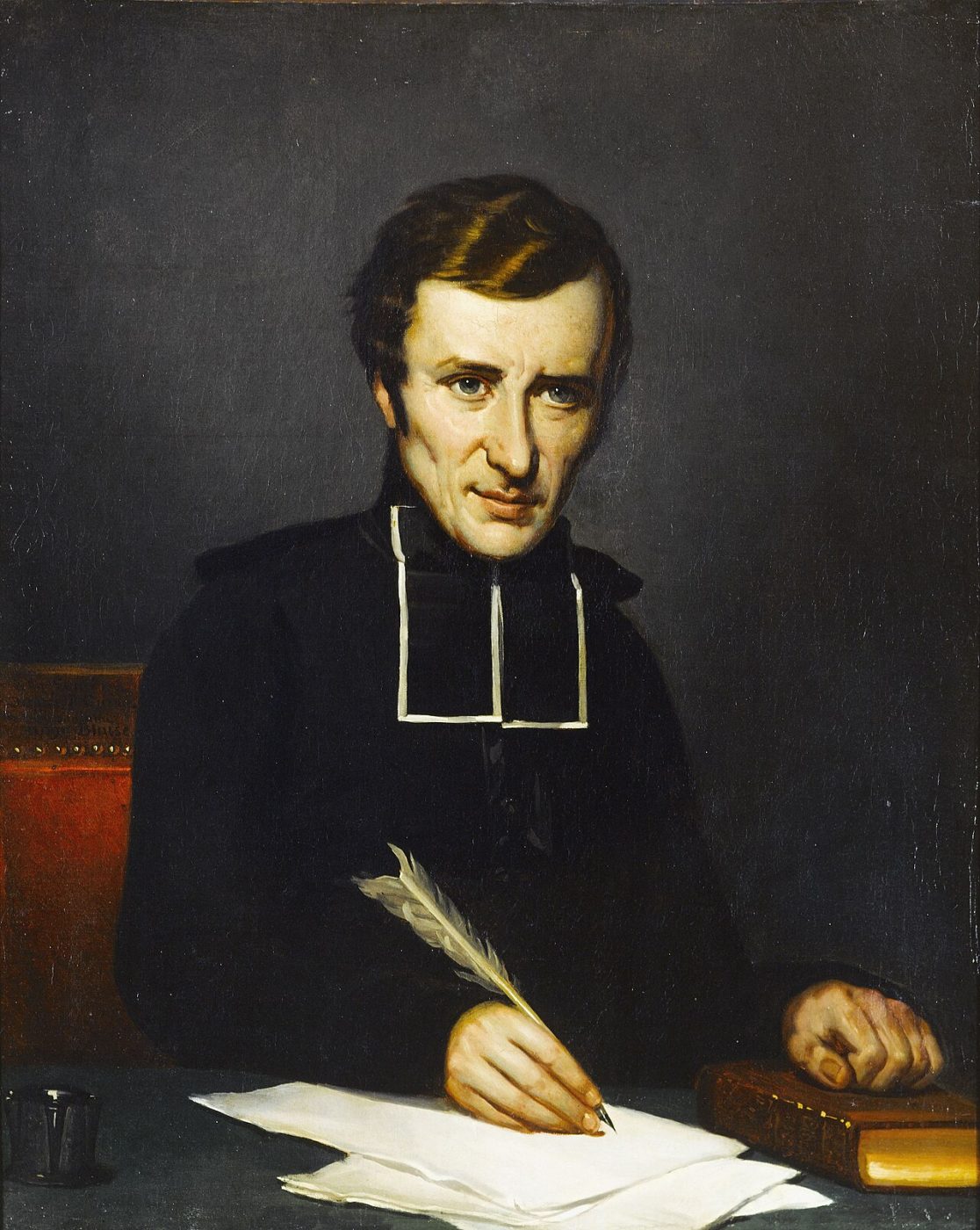
Biography
Born into the turbulent world of 1782 Saint-Malo, Félicité de La Mennais became nineteenth-century France’s most electrifying religious provocateur—a priest-philosopher who refused to choose between faith and reason. He ignited heated debates across Europe by daring to challenge the boundaries between church and state, asking uncomfortable questions about authority, freedom, and spirituality that establishment figures found either brilliant or heretical, often depending on who was judging. His fearless intellectual provocations made him the kind of thinker people either championed fiercely or condemned outright.
La Mennais wielded his pen like a weapon, producing writings that rippled through both Catholic circles and secular political philosophy with equal force. He wasn’t content to sit quietly in clerical robes—he waded into the messiest questions of power, belief, and human liberation, staking positions that frequently put him at odds with institutional gatekeepers. His work reshaped nineteenth-century Catholic thought in ways scholars are still untangling today.
The Parisian intellectual spent his final decades in the capital’s fervent salons and studies, wrestling with philosophy until his death in 1854. Buried in the hallowed ground of Père Lachaise, La Mennais left behind a legacy as a restless genius who proved that spirituality and bold thinking weren’t opposites—they were destined partners.
Cemetery Map
View larger map →Satellite overview of the cemetery grounds.