Felix Klein 1849 – 1925
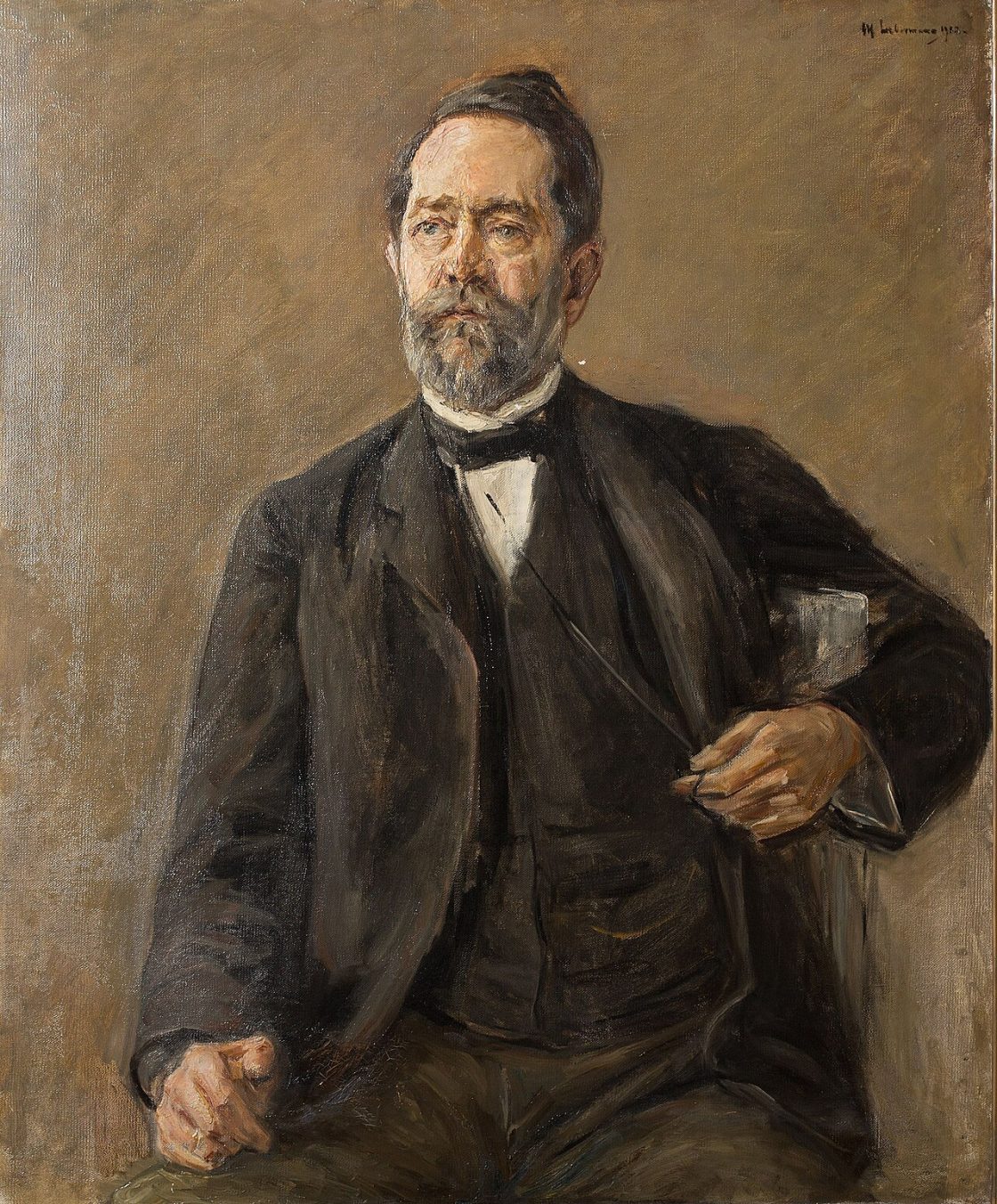
Biography
Felix Klein didn’t just solve equations—he fundamentally rewired how mathematicians think about geometry itself. The Düsseldorf-born visionary introduced the Erlangen Program, a revolutionary framework that unified seemingly different geometric systems through group transformations. This wasn’t mere academic tinkering; it was a complete intellectual overhaul that reshaped both pure mathematics and theoretical physics for generations to come.
Klein’s genius extended beyond the blackboard. Stationed in Göttingen, he transformed the university into a mathematical powerhouse while mentoring legions of students who carried his ideas across the globe. He understood that mathematics needed bold new frameworks, not just incremental tweaks. His relentless commitment to both rigorous research and mathematical education left an indelible mark on how the discipline itself evolved.
When Klein died in 1925, he left behind far more than theorems and papers. His conceptual breakthroughs continue to undergird modern mathematics, a testament to one man’s ability to see the hidden architecture beneath the surface of geometric reality.
Cemetery Map
View larger map →Satellite overview of the cemetery grounds.