Ferdinand I of León and Castile 1016 – 1066
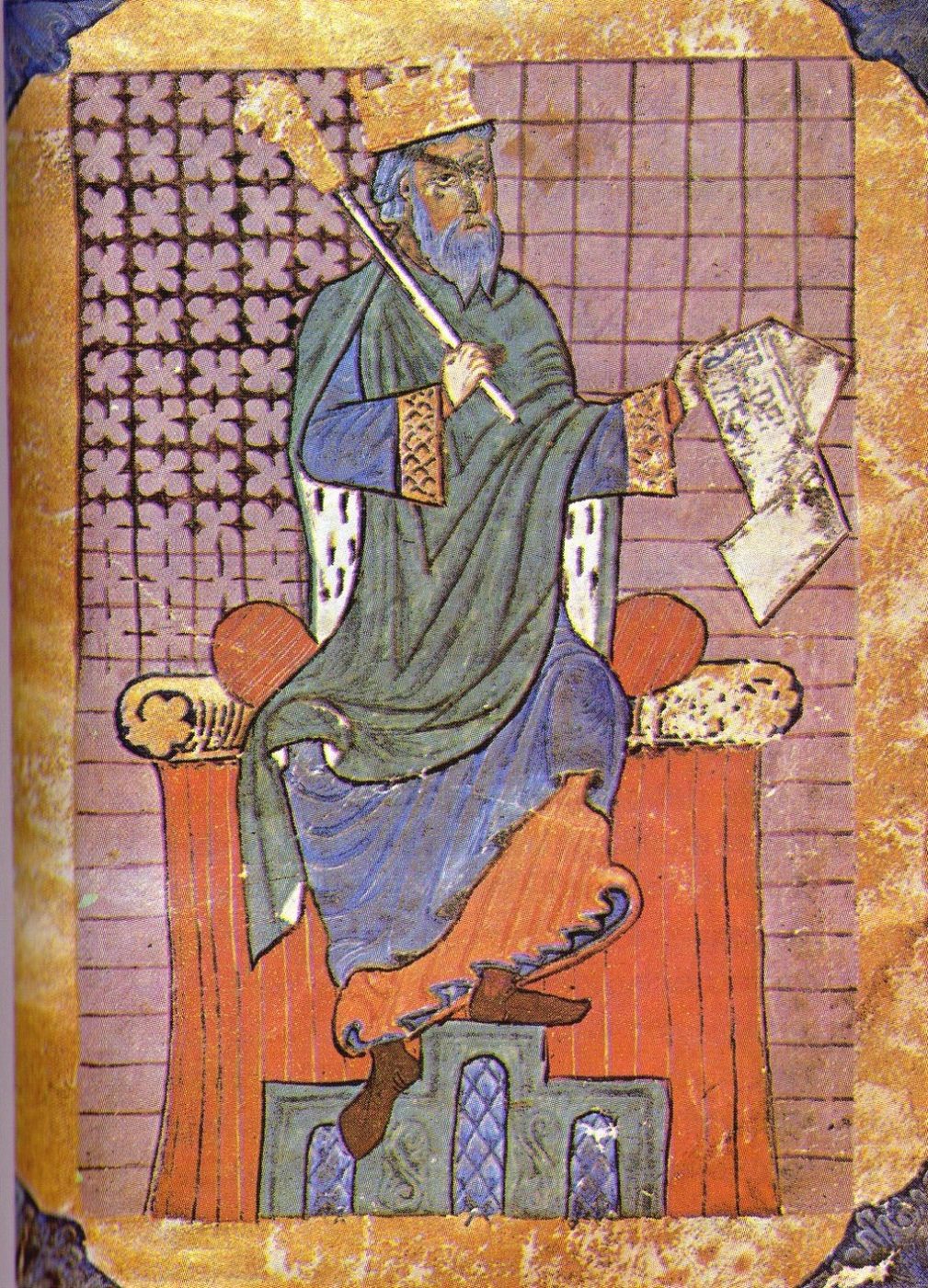
Biography
He didn’t conquer with flashy spectacle, but Ferdinand I rewrote the medieval Spanish map through shrewd political maneuvering and relentless ambition. Born in 1016 in Navarre, Ferdinand methodically carved out a kingdom that would reshape Iberia’s future, rising from regional ruler to master of both Castile and León. For roughly fifty years, he orchestrated the consolidation of Christian power across the peninsula—a political power move that echoed through centuries of Spanish history and set the stage for everything that followed in the Reconquista era.
His reign was less about pitched battles and more about the patient game of territorial acquisition and dynastic strategy. Ferdinand engineered the kind of political dynasty-building that medieval rulers dreamed about, uniting fractured kingdoms under one crown during an era of constant regional jockeying. When he died on January 2, 1066—barely a day past his fiftieth birthday—he left behind not just unified kingdoms but a blueprint for Spanish monarchy that influenced generations.
Entombed in the Basilica of San Isidoro in León, Ferdinand’s legacy wasn’t about glory or legend. It was about lasting structural change: a fragmented peninsula that, piece by piece, he’d forged into something far greater.
Cemetery Map
View larger map →Satellite overview of the cemetery grounds.