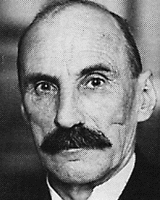
Ferenc Kölcsey 1790 – 1838

Biography
Born into Hungarian gentry in 1790, Ferenc Kölcsey emerged as a commanding voice in his nation’s intellectual and political awakening. He navigated the dual worlds of literary creation and public service with rare sophistication, becoming a central figure in Hungarian cultural circles during a pivotal moment in the country’s history. His work bridged the gap between artistic expression and civic responsibility, speaking directly to the concerns of a society hungry for learning and meaningful change.
Kölcsey’s influence rippled across multiple spheres of Hungarian life, from the page to the halls of governance. He embodied the ideal of the engaged intellectual—someone who refused to separate creative pursuits from the hard work of nation-building. His writings and actions reflected a deep commitment to ideals that would outlast him, shaping how future generations understood their own cultural identity and political possibilities.
He died in 1838 at forty-eight, leaving behind a legacy rooted in the conviction that literature and leadership could transform society. Buried in Szatmárcseke, Kölcsey’s memory endures as a symbol of intellectual courage and the lasting power of those who dare to imagine a better nation.
Cemetery Map
View larger map →Satellite overview of the cemetery grounds.