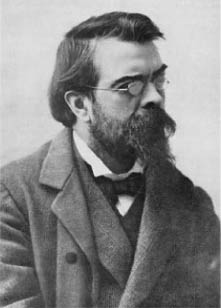
Francisco Tárrega 1852 – 1909
Biography
Born in Villarreal during Spain’s cultural renaissance, Francisco Tárrega became the architect of classical guitar’s legitimacy. While the instrument languished as a parlor curiosity, Tárrega wielded his compositions and virtuosic performances like a manifesto—proving the guitar belonged in Europe’s grandest concert halls. His tireless decades of work fundamentally rewired how audiences and musicians perceived the instrument’s artistic potential.
Tárrega’s genius lay in marrying technical mastery with profound musical expression. He didn’t just play guitar; he elevated it, composing works that demanded the same respect as piano or violin repertoire. Every performance, every score was a quiet revolution against centuries of musical snobbery.
He anchored his later years in Barcelona, continuing to shape the classical guitar world until his death in 1909. Though he left us in the twentieth century’s infancy, Tárrega’s imprint never faded—his compositions endured, his standard remained unshakeable, and generations of musicians built their legacies on the foundation he’d painstakingly constructed.