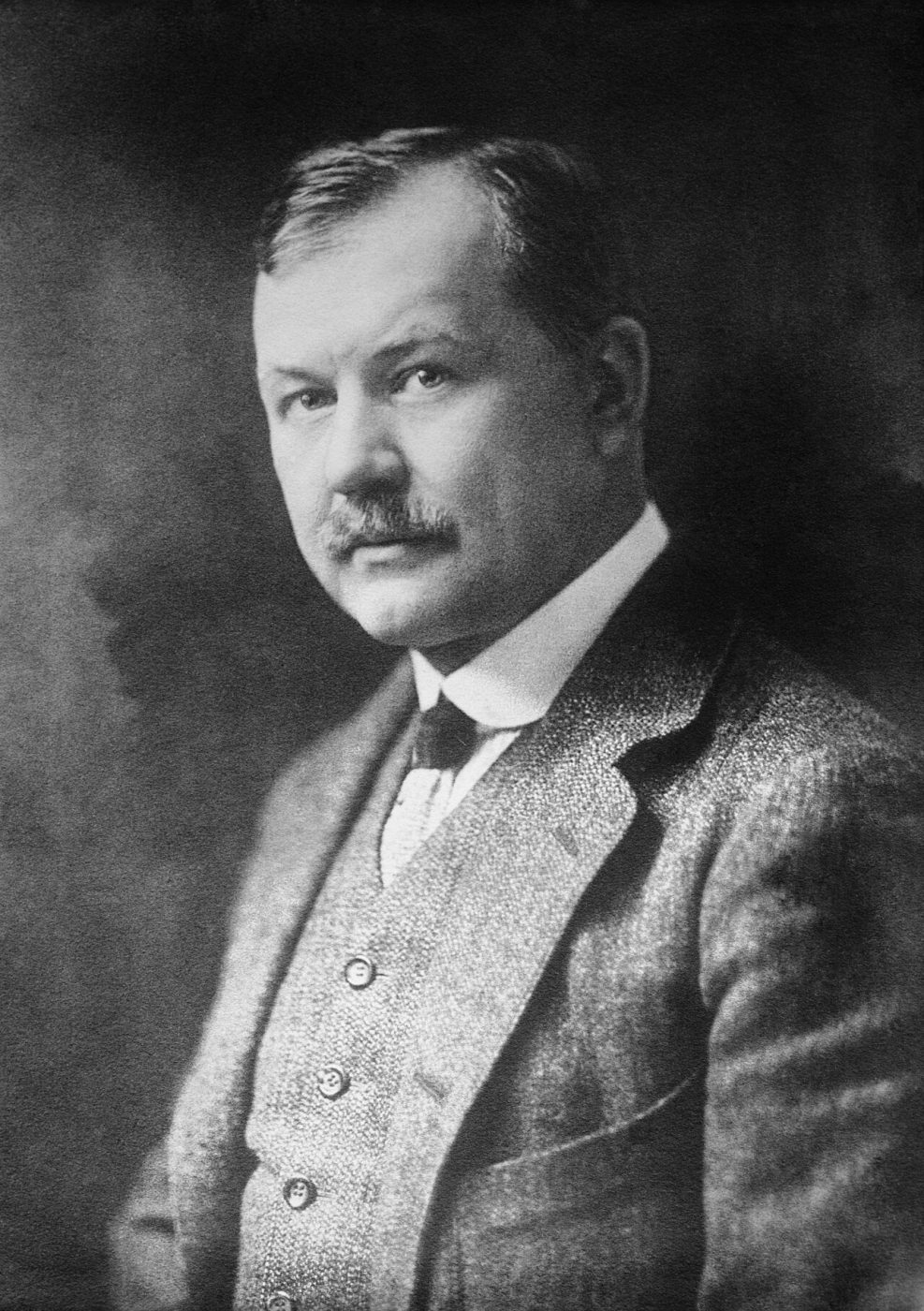
Franz Lehár 1870 – 1948
Biography
Born into Komárom’s musically rich landscape in 1870, Franz Lehár became Austria’s most celebrated composer, crafting operatic masterpieces that captivated European audiences for decades. His prolific career established him as a towering figure in classical music, earning admiration from both audiences and fellow musicians through compositions of remarkable artistry and emotional depth.
Lehár’s legacy transcends his lifetime, representing a golden chapter in Austrian musical heritage. His works resonated far beyond Vienna’s concert halls, cementing his place among Europe’s most influential composers. The breadth and dedication of his output—created across a career spanning multiple decades—ensured his influence would endure through generations of musicians and listeners alike.
When Lehár passed away in 1948, having witnessed profound transformations across his era, he left behind a body of work that continues to define Austrian classical and operatic tradition. His final resting place in Bad Ischl Friedhof stands as a fitting tribute to a composer whose artistic contributions fundamentally shaped European musical culture.
Cemetery Map
View larger map →Satellite overview of the cemetery grounds.