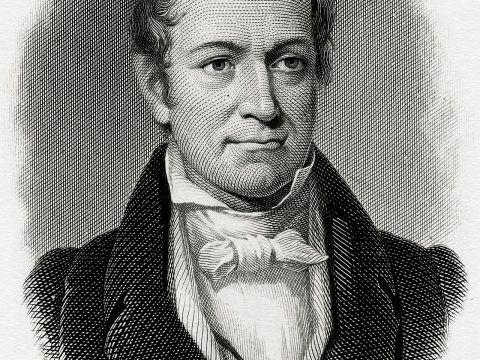
Frederick II, Duke of Mecklenburg-Schwerin 1717 – 1785
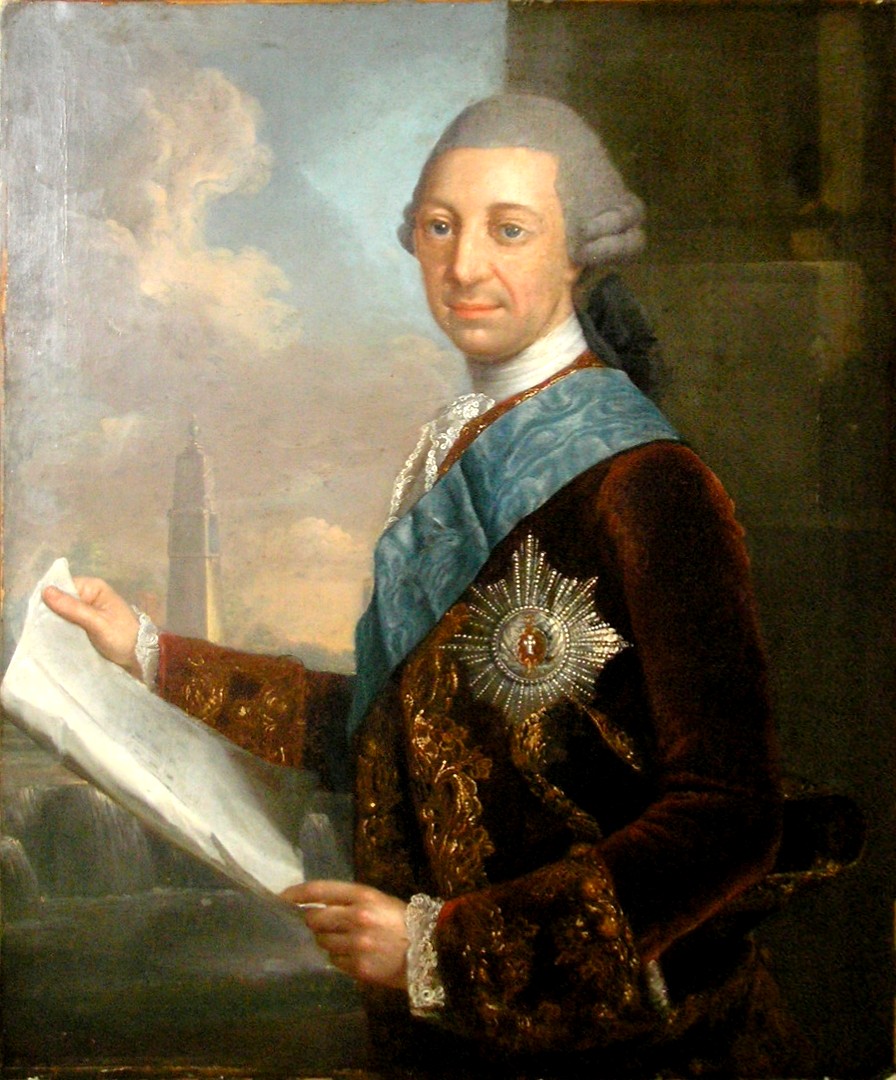
Biography
Born into power in 1717, Frederick II inherited the ducal throne of Mecklenburg-Schwerin at a pivotal moment in European history. For nearly seven decades, he navigated the treacherous landscape of eighteenth-century German politics, steering his northern principality through an era of radical transformation across the Holy Roman Empire. His tenure defined an age of careful diplomatic maneuvering and territorial preservation.
Frederick’s reign exemplified the delicate balancing act required of regional rulers during the Enlightenment. He maintained Mecklenburg-Schwerin’s standing amid shifting alliances and rising powers, safeguarding ducal authority through a period that would ultimately reshape the political map of Germany. His governance reflected the pragmatism essential for survival in an increasingly volatile world.
When Frederick died in 1785 at Ludwigslust—the town that became synonymous with his legacy—he left behind a principality that had weathered profound change. His final resting place there stands as a monument to a ruler who embodied the old aristocratic order in its twilight years, a man devoted to preserving his dynasty’s influence during one of history’s most transformative centuries.
More Images

Cemetery Map
View larger map →Satellite overview of the cemetery grounds.