Fujiwara no Kamatari 614 – 669
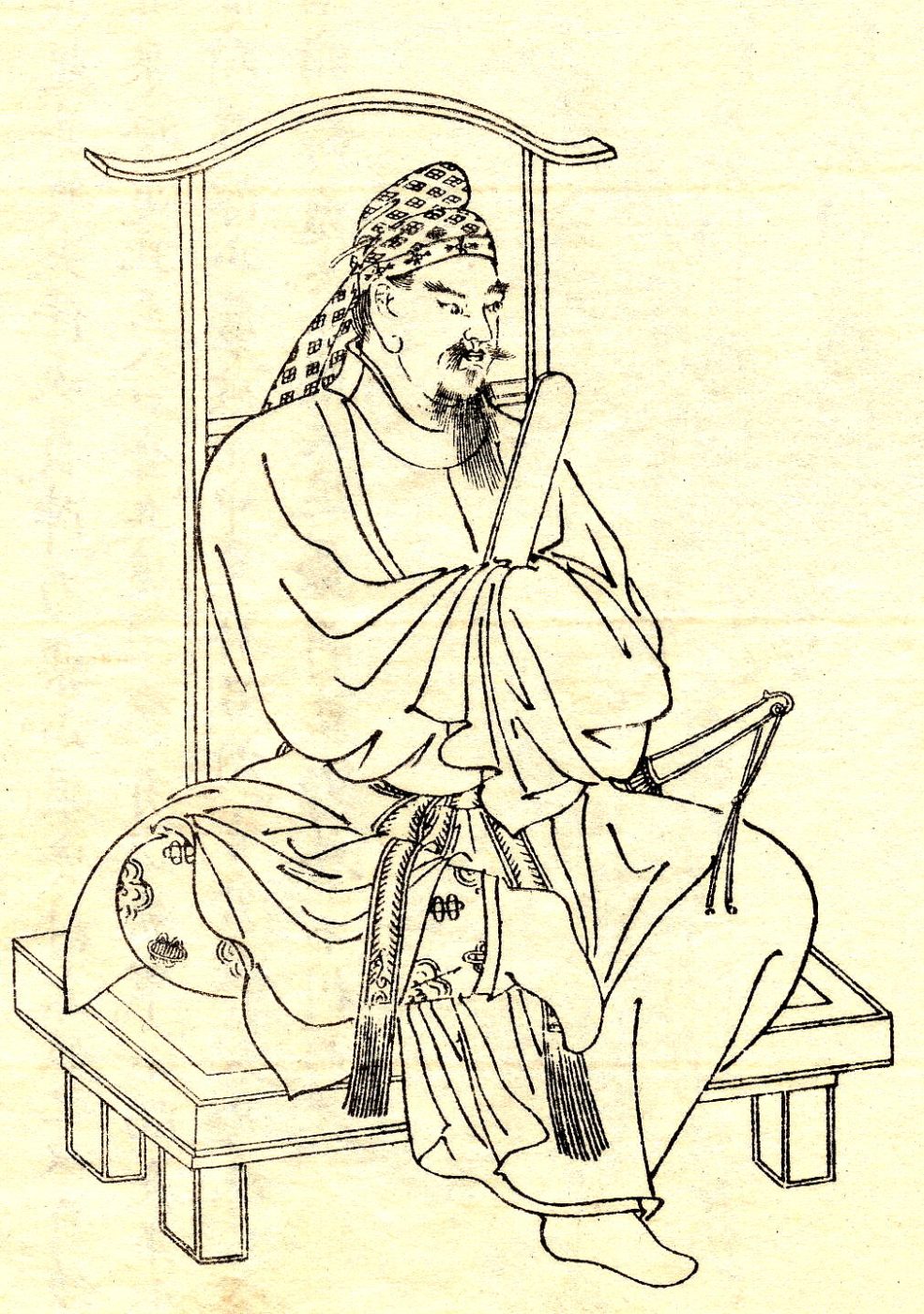
Biography
Fujiwara no Kamatari commanded the heights of Japanese power during the seventh century’s most transformative decades, emerging as a towering figure in the aristocratic elite that forged classical Japan’s political and cultural identity. Born into nobility in 614, he navigated the turbulent landscape of imperial court life when the very foundations of Japanese governance were crystallizing—a time when power, prestige, and protocol were being written into history for the first time.
Though the specifics of his greatest triumphs have slipped through history’s fingers, Kamatari’s stature was unmistakable: his fifty-five years of life placed him among the architects of an era. His final resting place at Abuyama Kofun speaks volumes about his rank and reverence—a burial befitting one of Japan’s most consequential nobles. He witnessed and influenced a nation in its infancy, leaving an indelible mark on the aristocratic structures that would define Japanese society for centuries to come.
Cemetery Map
View larger map →Satellite overview of the cemetery grounds.