Genghis Khan 1162 – 1227
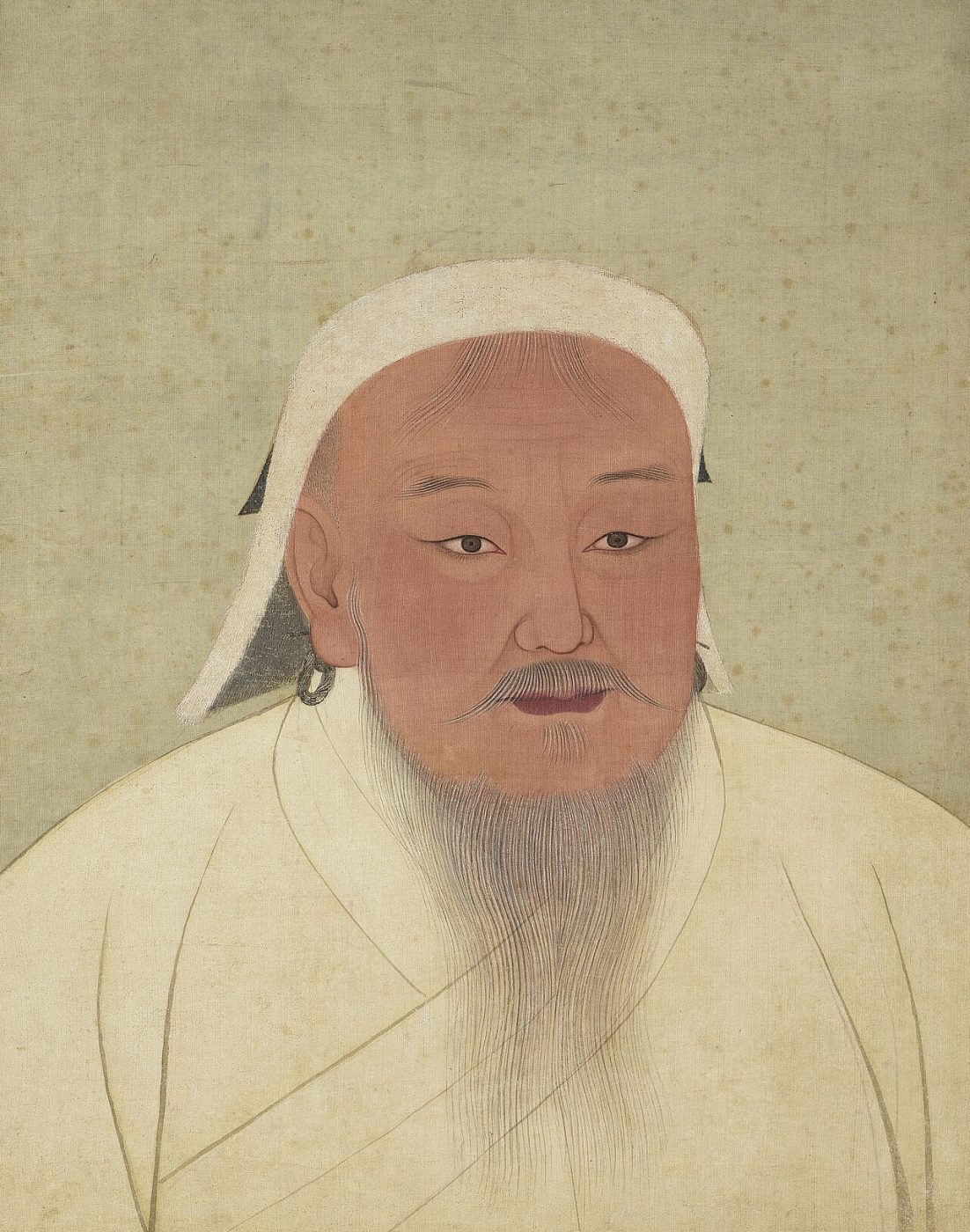
Biography
A steppe warrior who rose from obscurity to command one of history’s largest empires, Genghis Khan transformed scattered Mongol tribes into an unstoppable force. Born in 1162 on the harsh Central Asian plains, he unified fractious clans through sheer strategic brilliance and organizational genius, ultimately creating an empire spanning more territory than any before it. His vision didn’t just conquer—it connected worlds, establishing trade routes and communication networks that would reshape civilization for centuries.
What made Khan legendary wasn’t merely his military dominance, but his revolutionary approach to governance and administration. He built systems of organization and rule that became blueprints for successor states across continents. Under his leadership, the Mongol Empire became a cultural and commercial bridge, linking distant regions through unprecedented exchange of ideas, goods, and knowledge. His legacy fundamentally altered the geopolitical landscape of Asia and beyond.
Khan died on September 1, 1227, from injuries sustained in a fall from his horse near Yinchuan. He was entombed at the Mausoleum of Genghis Khan in what is now China—a final resting place befitting one of history’s most transformative figures. Though his life ended that year, the empire he forged would flourish under his successors for generations, cementing his status as an architect of the medieval world.
More Images
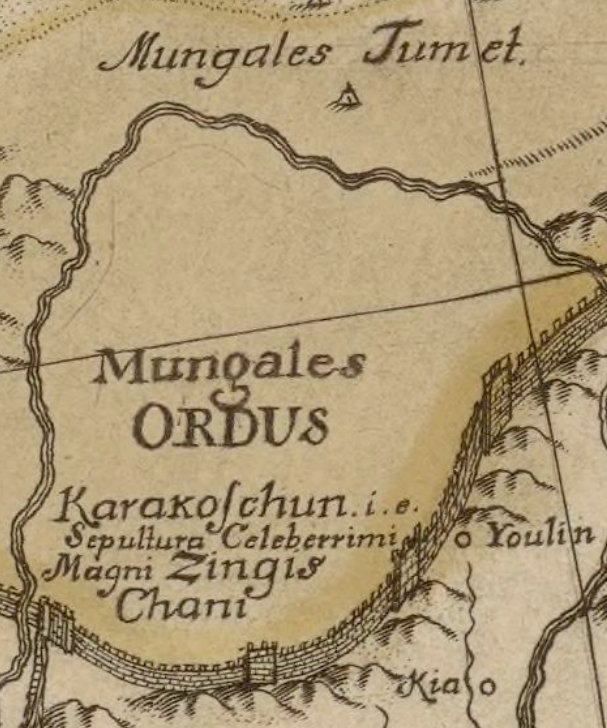
Cemetery Map
View larger map →Satellite overview of the cemetery grounds.