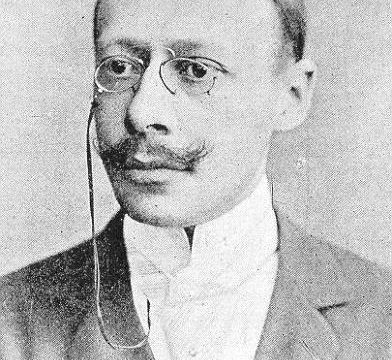
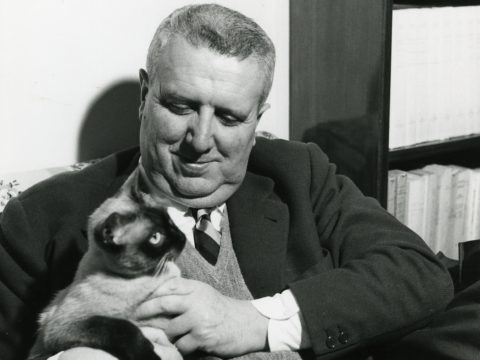
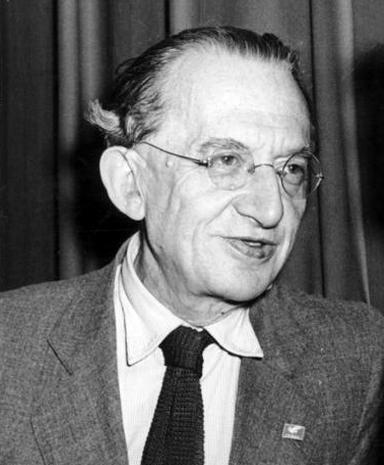
Georg Lukács 1885 – 1971
Biography
The Hungarian philosopher who revolutionized how we read literature arrived in the twentieth century armed with Marxist theory and a fierce intellectual conviction that art wasn’t decoration—it was a battleground for ideas. Georg Lukács became the century’s most formidable Marxist critic, demolishing the wall between high philosophy and popular culture to show that novels, plays, and poems were documents of their times, mirrors reflecting class struggle and human consciousness. His uncompromising approach transformed literary criticism from polite analysis into ideological combat.
Lukács spent eight decades in Budapest—his crucible, his muse, his intellectual home—churning out dense, influential work that seized the imagination of scholars worldwide. He didn’t just interpret literature; he rewired how generations understood the relationship between art and politics, aesthetics and revolution. His frameworks became gospel in universities across the globe, debated and dissected by thinkers wrestling with questions he’d posed about culture’s role in society.
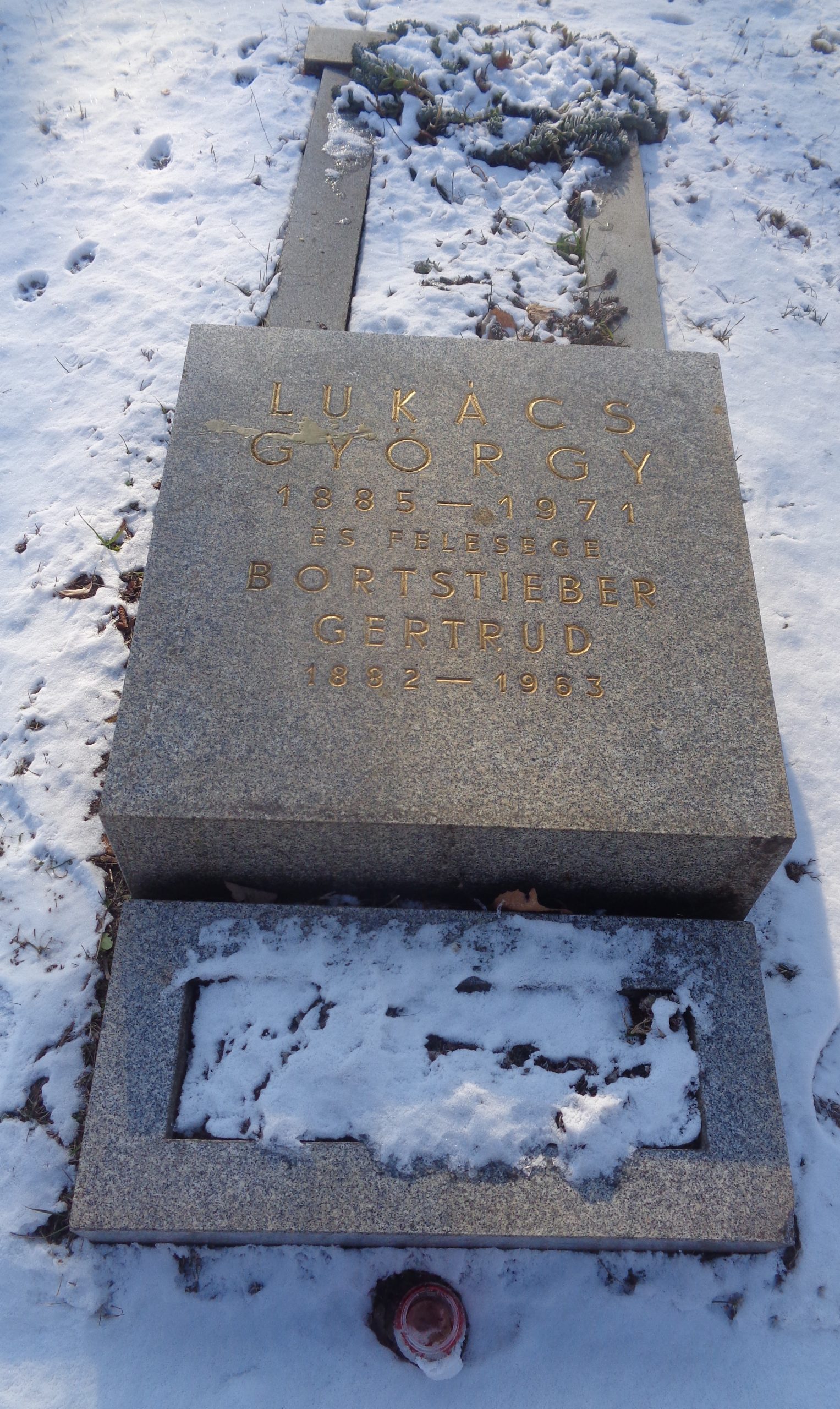
On June 4, 1971, the 86-year-old philosopher succumbed to lung cancer, returning to rest in Fiume Road Graveyard in the Budapest he’d never truly left. His legacy remains combustible—still argued over, still generative, still asking readers to see literature not as escape but as evidence.
More Images
Cemetery Map
View larger map →Satellite overview of the cemetery grounds.