George Herbert 1593 – 1633
Biography
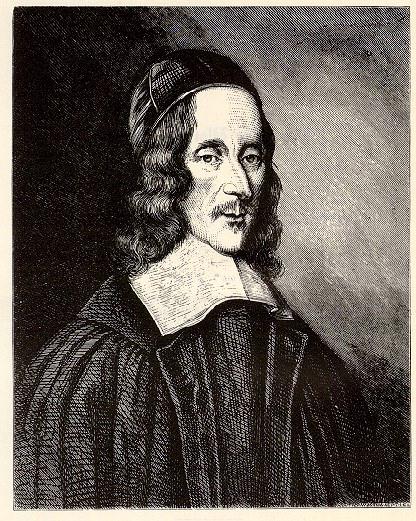
Born into Welsh nobility but raised between two worlds, George Herbert became one of the most influential spiritual voices of the seventeenth century—not through thunderous sermons, but through poetry of devastating intimacy. His verses didn’t lecture about faith; they wrestled with it, capturing the raw vulnerability of doubt and longing in language so precise it still pierces readers today. Before his untimely death at thirty-nine, Herbert had already transformed what sacred poetry could be.
His priesthood in the quiet village of Bemerton became the crucible for his greatest work. While tending his flock with genuine devotion, Herbert wrote poems that treated God less as a distant authority and more as an intimate conversation partner—sometimes tender, sometimes angry, always achingly human. Pieces like “The Altar” and “Love (III)” didn’t just describe faith; they enacted it on the page, making readers feel the actual texture of spiritual struggle.
When tuberculosis cut short his earthly ministry in 1633, Herbert left behind a slim but incandescent body of work that would outlast centuries of more celebrated contemporaries. His influence rippled through generations of writers and seekers who recognized in his verse something rare: the sacred hidden in the everyday, the divine accessible through honest doubt. Herbert proved that the smallest voice, speaking true, echoes longest.
More Images