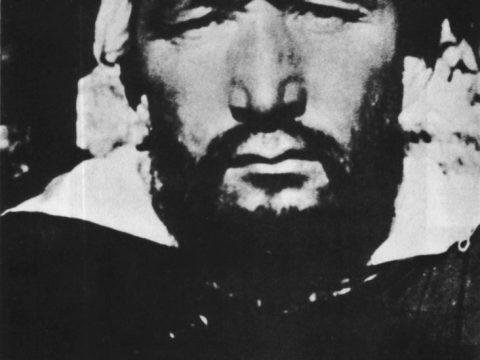
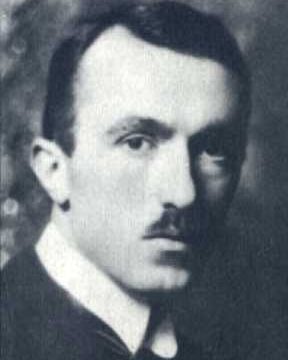
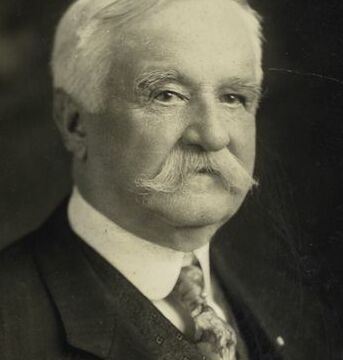
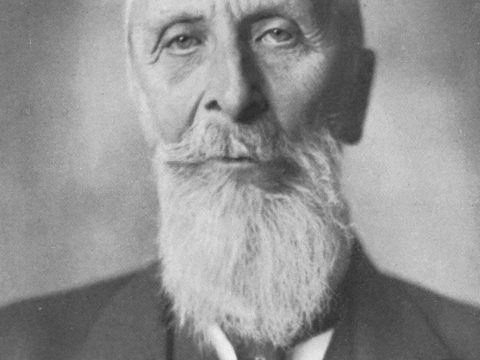
Gerhard Louis De Geer 1854 – 1935
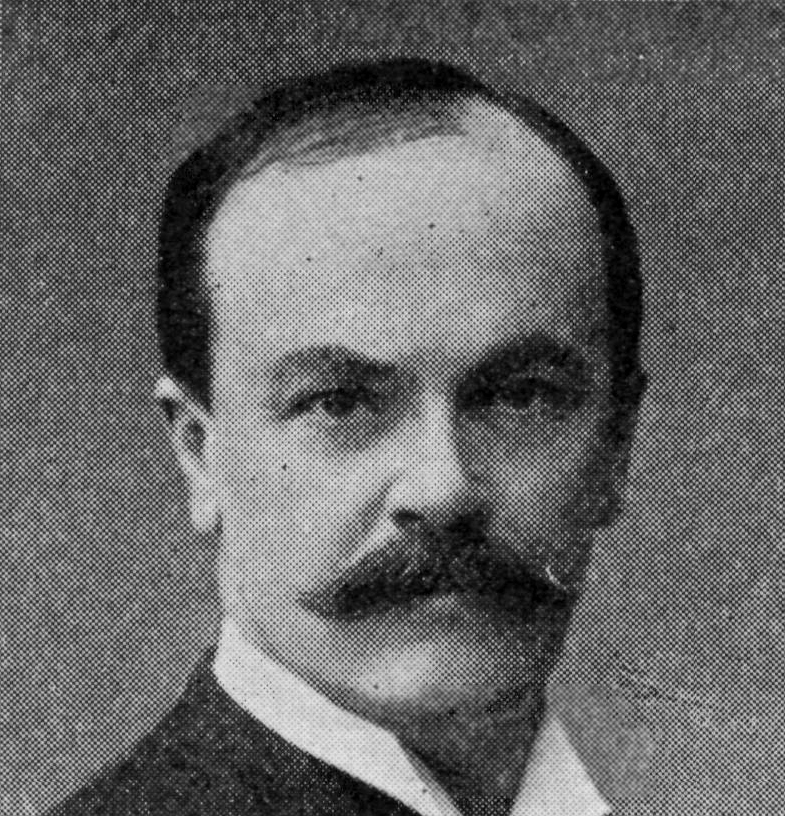
Biography
A Swedish political figure born in 1854, Gerhard Louis De Geer devoted his life to public service during one of Sweden’s most transformative centuries. Coming of age amid sweeping democratic movements and industrial revolution, De Geer emerged as a committed civic leader navigating his nation’s modernization. His work reflected the reformist spirit of nineteenth-century Scandinavia, as Sweden grappled with questions of governance and progress.
De Geer’s career unfolded against the backdrop of Nordic political awakening—a pivotal era when Sweden was reimagining itself as a modern democracy. Though specific details of his parliamentary work remain sparse in historical records, his sustained commitment to public affairs marked him as a dedicated servant of his generation. He witnessed firsthand the radical shifts reshaping Swedish society, from industrial expansion to evolving democratic institutions.
De Geer’s eighty years of life—from rural Kristianstads parish to his final days in Kviinge church parish—embodied the journey of a nation reinventing itself. He died in February 1935, leaving behind a legacy intertwined with Sweden’s pivotal transformation into the twentieth century.