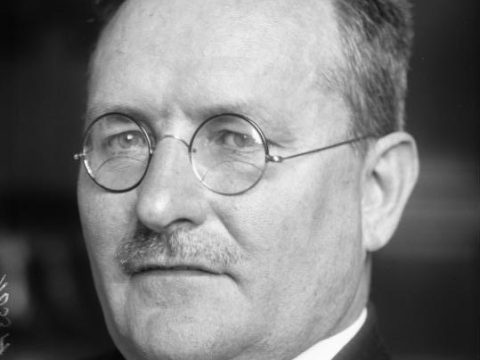
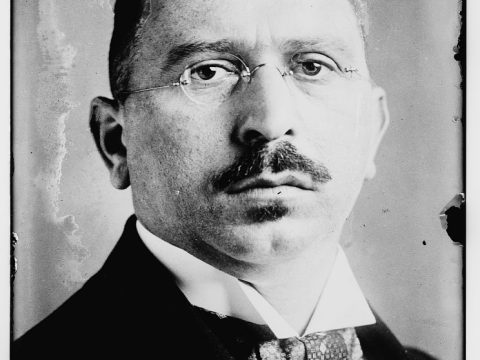
Gerhard Schröder 1910 – 1989

Biography
Gerhard Schröder rose to prominence as a steadfast voice in postwar German politics, leveraging his position within the Christian Democratic Union to shape national policy during one of Europe’s most turbulent centuries. Born in Saarbrücken in 1910, Schröder embodied the political establishment’s commitment to rebuilding and stabilizing the nation through the Cold War era.
As a federal minister, Schröder left his fingerprints on crucial governmental decisions that would define modern Germany. His decades-long tenure reflected unwavering dedication to CDU principles, making him a fixture in the corridors of power throughout the mid-to-late twentieth century. Schröder’s career spanned transformative decades when Germany grappled with reconstruction, division, and the search for national identity.
In his final years, Schröder retreated to Kampen on the island of Sylt, trading Berlin’s political intrigue for the serene northern coastline. He died on New Year’s Eve 1989 at 79—a poignant exit as the Cold War itself crumbled. His political legacy remains woven into Germany’s postwar fabric.