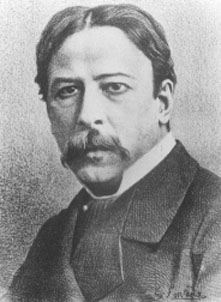
Giovanni Bottesini 1821 – 1889
Biography
The double bass was supposed to stay in the shadows—until Giovanni Bottesini arrived. Born in the small Italian town of Crema in 1821, Bottesini became the nineteenth century’s most unlikely virtuoso, transforming an instrument historically stuck in supporting roles into a full-throated solo voice. His fingers flew across the fingerboard with such technical brilliance and expressive depth that audiences across Europe couldn’t look away, proving the bass could sing as compellingly as any violin.
But Bottesini refused to be just a performer. As a composer, he created showstopping pieces that demanded the bass step into the spotlight, while his work as a conductor positioned him at the heart of Europe’s major musical institutions. He was a triple threat in an era when that meant something—musician, artist, and cultural force rolled into one.
When Bottesini died in Parma in 1889, he left behind far more than a string of impressive performances. He’d rewritten the rulebook for what the double bass could be, permanently elevating an entire instrument and enriching classical music’s possibilities. His legacy proved that sometimes all it takes to change an instrument’s destiny is one unforgettable virtuoso.
Cemetery Map
View larger map →Satellite overview of the cemetery grounds.