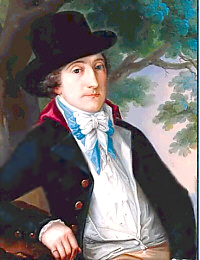
Giuseppe Tartini 1692 – 1770
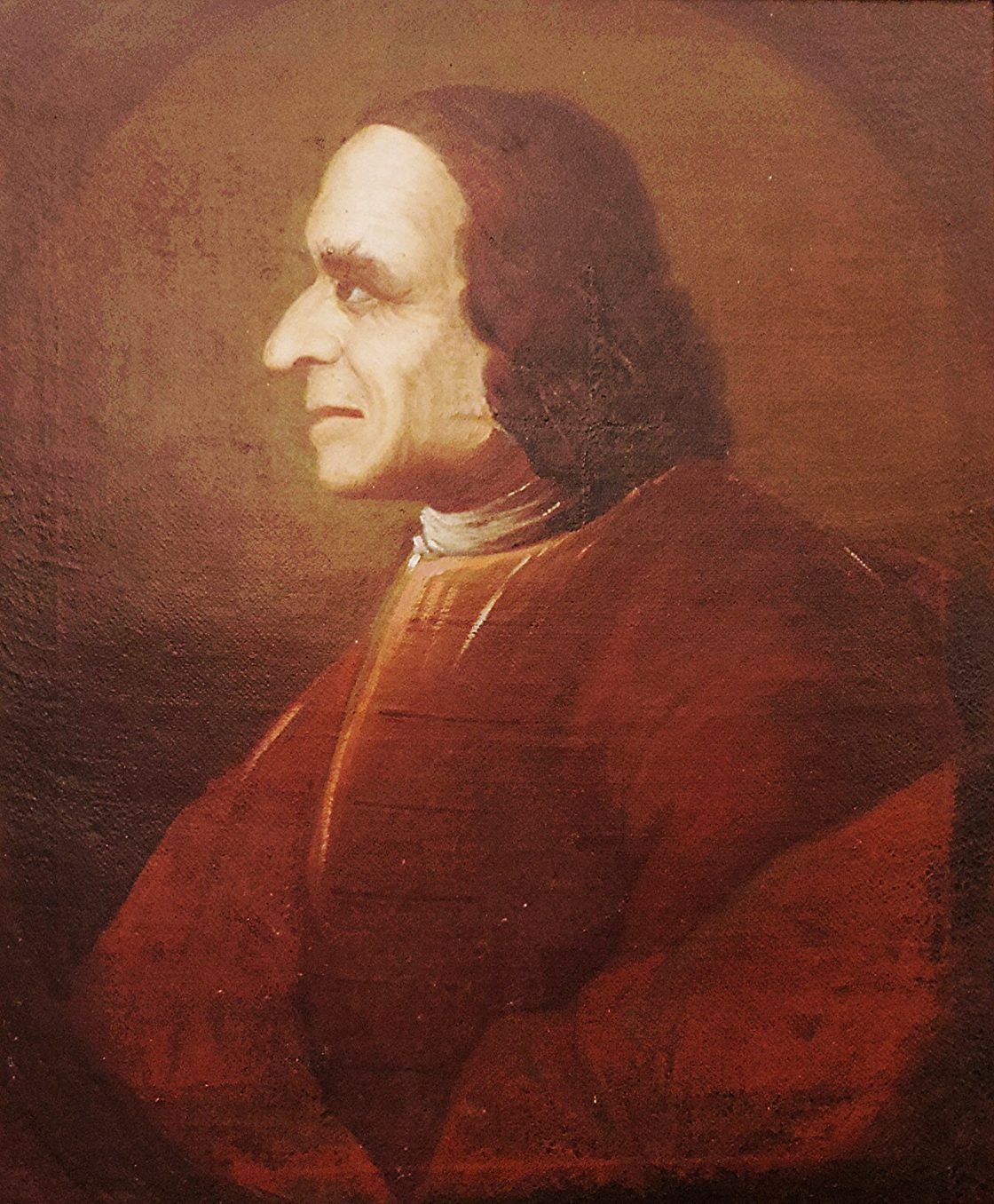
Biography
Giuseppe Tartini revolutionized the violin in the 18th century, transforming it from a mere accompaniment instrument into a virtuosic soloist’s weapon. Born in 1692 on the Istrian coast, this Italian maestro became legendary for his technical mastery and compositional brilliance—his works remain cornerstones of classical violin repertoire. Tartini’s genius lay in understanding the instrument’s deepest possibilities, then exploiting them fully in pieces that dazzled audiences and challenged performers for centuries to come.
A double threat as both performer and composer, Tartini epitomized the complete musician of the Baroque and early Classical era. He didn’t just play his compositions—he lived them, refining his craft throughout a career spanning decades and establishing standards of excellence that still define violin playing today. His artistic commitment was absolute, commanding respect from peers and inspiring generations of musicians who followed.
When Tartini died in Padua in 1770, the musical world lost one of its foundational figures. Buried in the church of St. Catherine, his legacy transcends centuries through immortal compositions and an unmatched legacy of instrumental innovation that continues to shape music performance.
Cemetery Map
View larger map →Satellite overview of the cemetery grounds.